
Expert Home Style – For the Price of a Coffee ($3.90)
Master high-end design secrets (Tuscan, Modern) without the expensive consultants.
🛒 Buy NowCreating a shared room for your toddler and baby can feel like a daunting task. You want a space that’s cozy, functional, and stylish—all while being eco-friendly. This post is designed to inspire you with creative layout ideas that cater to both your little ones’ needs and your values. After all, nurturing a sense of comfort and connection is essential for both babies and toddlers as they grow. You might be dreaming of that perfect blend of playfulness and practicality, and that’s exactly why I’ve put this guide together.
If you’re a parent looking to balance aesthetics with functionality, this post is for you. You understand the challenges of designing a shared space where both children can thrive. You want a room that sparks joy and creativity but also keeps things organized. This guide will help you create a harmonious environment that fosters both bonding and independence.
In this post, you’ll discover 17 eco-friendly shared room layout ideas that combine style with sustainability. From twin cribs with stylish dividers to space-saving bunk beds, I’ve gathered practical and inspiring tips that make the most of limited space. Whether you want to incorporate dual-purpose furniture or craft personalized touches with eco-friendly materials, you’ll find actionable insights to help you design the perfect toddler and baby shared room.
Key Takeaways
– Explore various layout ideas, like twin cribs or bunk beds, to maximize space and functionality while ensuring comfort for your little ones.
– Discover eco-friendly wall decor options that not only beautify the room but also promote a healthy living environment.
– Learn about dual-purpose furniture that offers versatility and helps keep the room organized without sacrificing style.
– Find tips on creating collaborative play zones, encouraging both toddlers and babies to engage in imaginative play together.
– Understand how to incorporate seasonal decor changes, allowing you to refresh the space easily and keep it feeling new and exciting throughout the year.


1. Twin Cribs with Stylish Dividers
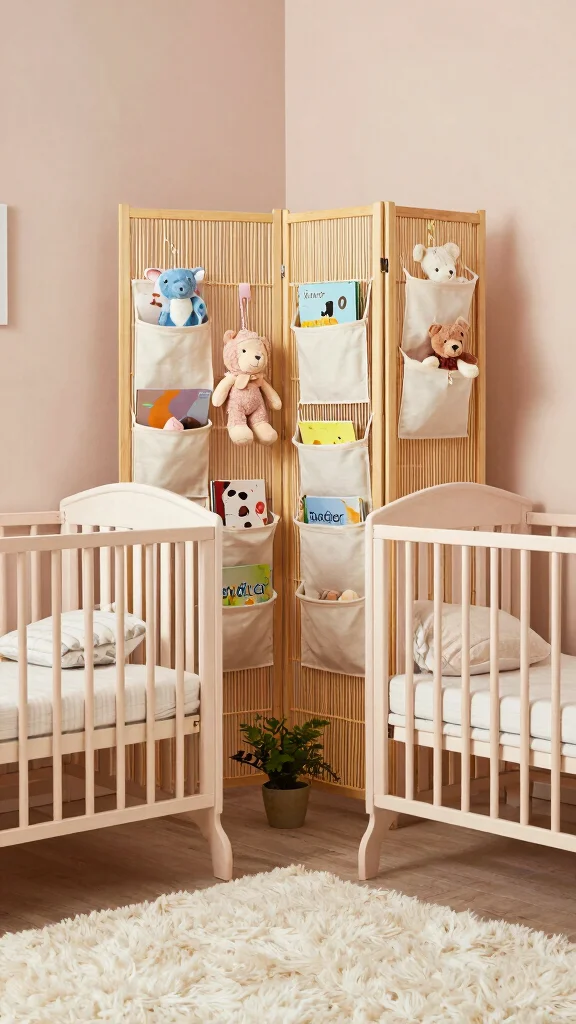
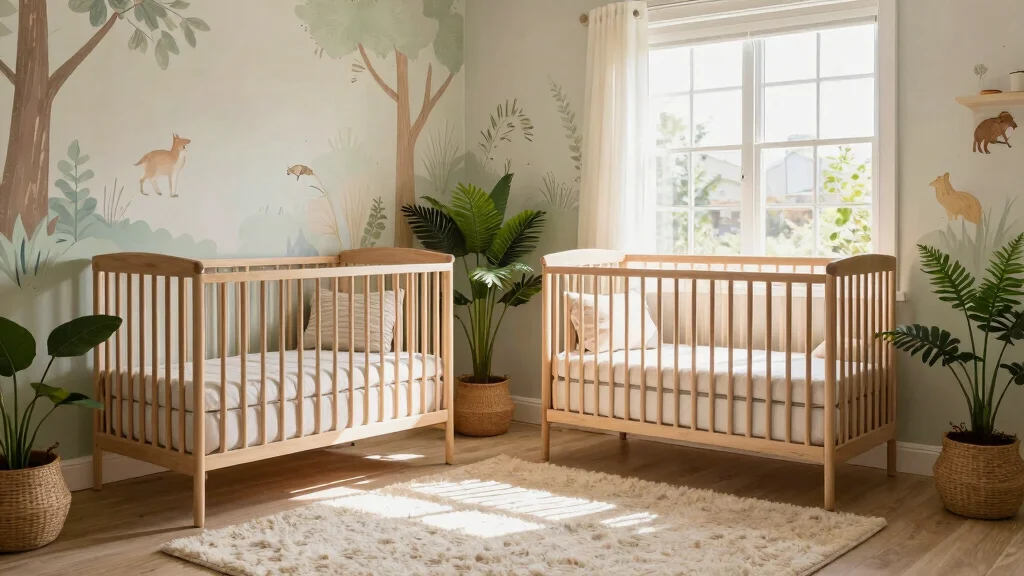
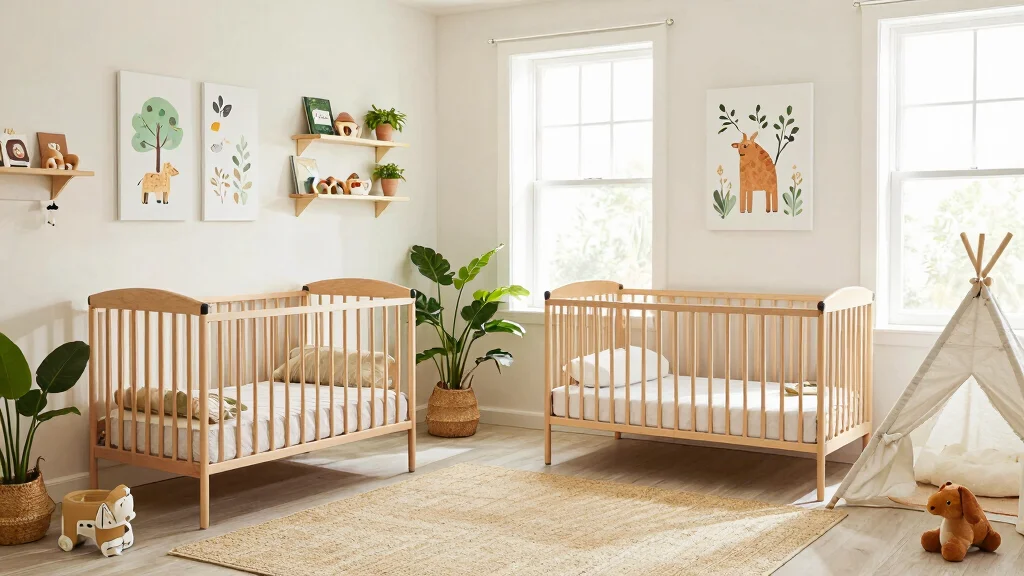
Creating a shared room with twin cribs can be both functional and visually appealing. By incorporating stylish dividers, you can carve out personal spaces for your baby and toddler, all while maintaining an open atmosphere. Using materials like bamboo not only adds to the aesthetics but also brings an eco-friendly vibe to the room.
To harmonize this design, choose soft pastel shades for the dividers that complement the overall room theme. This thoughtful combination fosters a sense of security for your toddler and helps them learn about personal boundaries while remaining close to their sibling. You can also utilize the divider space for storage by adding hanging organizers for toys or books on either side.
– Pair bamboo dividers with soft pastel colors for a cohesive look.
– Install additional storage solutions like hanging organizers for toys.
– Use low shelving near the cribs for easy access to storybooks.
– Ensure the divider is stable and free from sharp edges for safety.
This setup not only encourages independent sleep for each child but also enhances the bond between siblings through shared space.

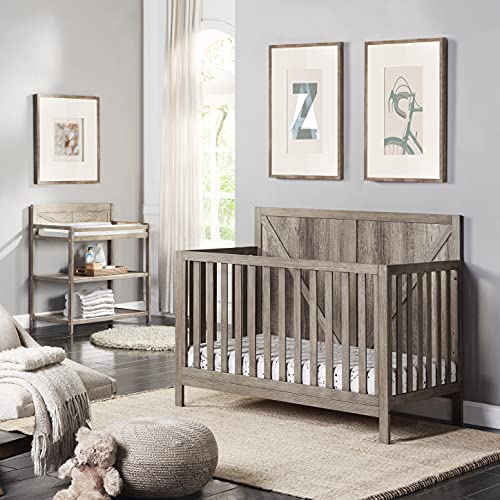


How To Choose Eco-Friendly Shared Room Decor for Toddlers and Babies
When designing a shared room for your toddler and baby, it’s essential to consider eco-friendly options that are safe, sustainable, and stylish. Here are some key criteria to help you make the best choices for your little ones.
1. Size and Layout
Start by measuring the available space in the room. Consider how many pieces of furniture will fit without making the room feel cramped. You might want to include cribs, storage, and play areas. Use furniture that optimizes vertical space, like shelves or wall-mounted organizers, to keep the floor open for play. This will not only give your kids room to move but also make the space feel larger.
2. Material Selection
Choose materials that are non-toxic and sustainable. Look for furniture made from recycled or reclaimed wood, as well as fabrics that are organic, such as cotton or linen. Avoid items treated with harsh chemicals, as these can affect indoor air quality. When shopping for shared room decor, check labels for certifications like GREENGUARD or OEKO-TEX, which ensure safety for children.
3. Functional Features
Opt for furniture with dual functionality. For example, a crib that converts into a toddler bed can grow with your child, saving you money down the road. Storage solutions like multi-compartment bins can help keep toys organized while acting as a decorative element. Think about how each piece will be used daily and whether it can serve more than one purpose.
4. Color and Theme
Selecting a calming color palette can significantly impact the mood of the room. Soft pastels or earthy tones create a serene environment for both babies and toddlers. Consider a nature-inspired theme, incorporating elements like floral patterns or animal motifs. This not only adds visual interest but can also introduce your children to eco-friendly concepts through their surroundings.
5. Budget Considerations
Eco-friendly choices can sometimes be pricier, but there are ways to stay within your budget. Look for second-hand furniture that is still in good condition. DIY projects can also be a great way to save money while adding personal touches to the room. Set a budget for each category—walls, furniture, and accessories—to keep your spending in check.
6. Safety Standards
Safety is paramount in a shared room for toddlers and babies. Ensure that all furniture meets safety standards and does not pose hazards like sharp edges or small parts that could be choking risks. Secure heavy furniture to the wall to prevent tipping, especially in a room shared by a mobile toddler and a baby. Regularly check all pieces for wear and tear to maintain a safe environment.
Pro Tip: Before making any purchases, create a mood board with your color scheme, preferred furniture styles, and themes. This visualization will help you stay focused and make cohesive choices that enhance your toddler and baby’s shared room experience. By being mindful of materials, functionality, and safety, you can create a beautiful, eco-friendly space that fosters comfort and creativity.
2. Space-Saving Bunk Beds for Toddlers and Babies
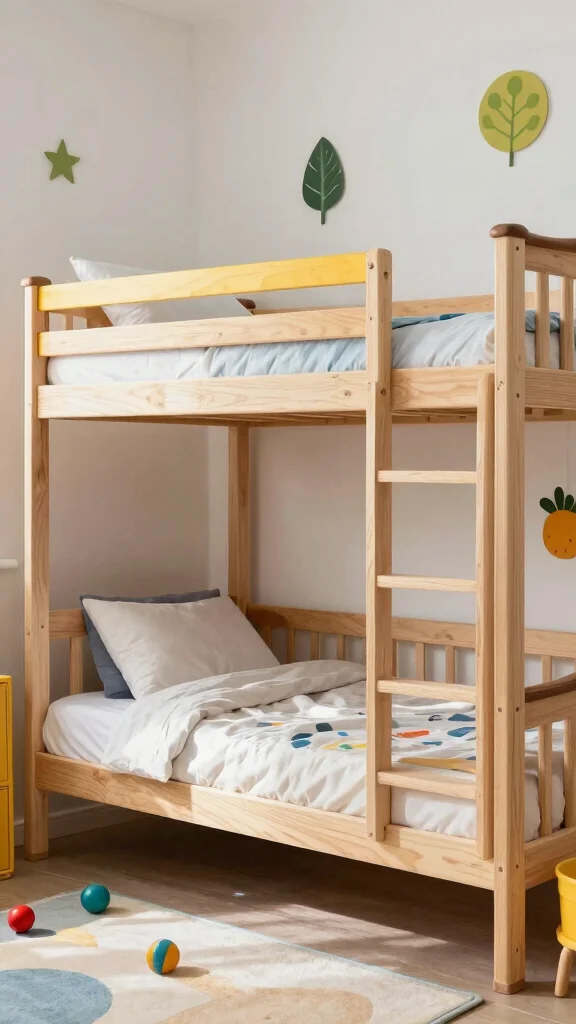
Bunk beds offer a clever way to maximize vertical space in a shared room. Opting for eco-friendly materials like sustainably sourced wood ensures safety and durability while creating a cozy, whimsical environment. This layout effectively frees up floor space, allowing for more room to play and explore.
A lower crib can be included in the bunk design, keeping your baby within reach of your toddler. To make bedtime exciting, consider adding a slide or climbing wall, which adds an element of fun. Choose organic cotton bedding to align with an eco-conscious lifestyle.
– Choose bright colors that resonate with your overall room theme.
– Ensure guard rails are sturdy and the ladder is toddler-friendly.
– Use under-bunk space for toy storage or a cozy reading nook.
– Leave ample open space beneath for soft mats and playtime.
This innovative setup creates a functional and playful atmosphere, perfect for fostering sibling relationships.


3. Convertible Cribs That Grow with Your Kids
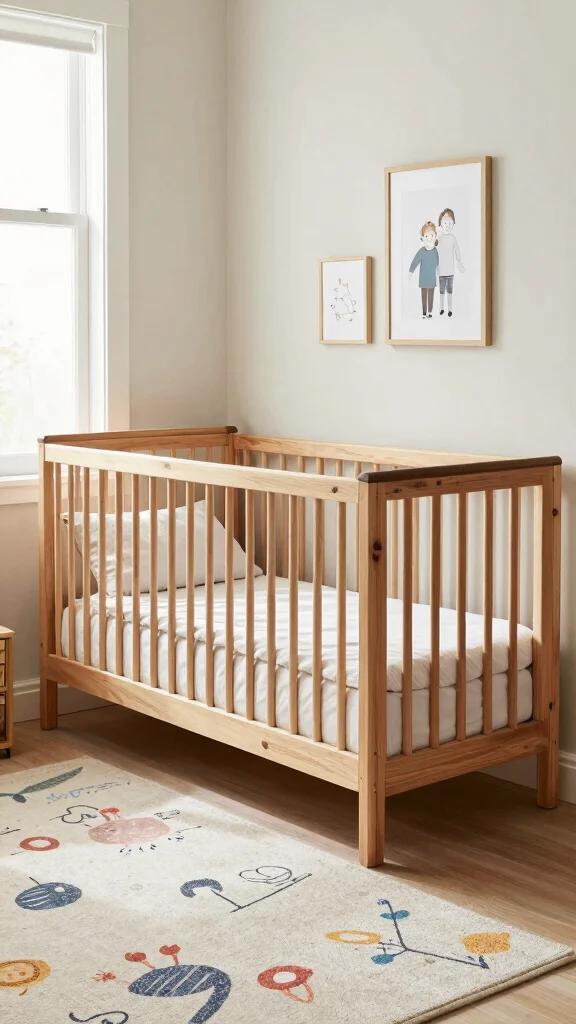
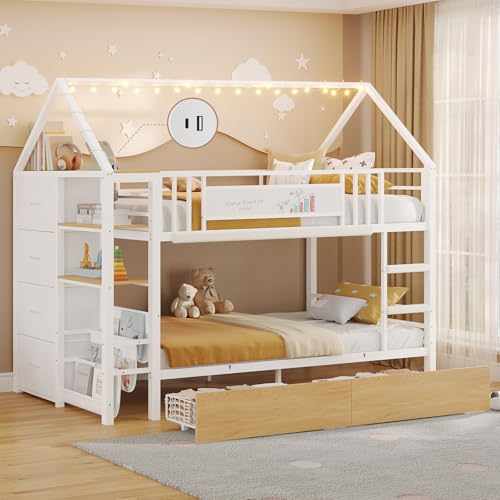
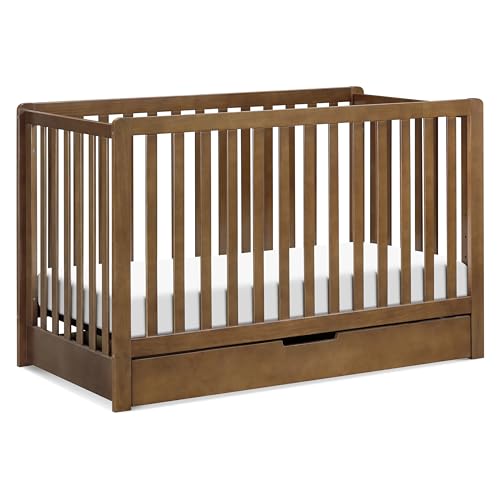
Investing in convertible cribs is a smart choice that evolves with your children. These versatile cribs can transform into toddler beds and eventually full-size beds, making them a sustainable option. Selecting cribs made from reclaimed wood not only enhances style but also minimizes environmental impact.
This adaptable furniture saves money and reduces the need for multiple purchases over the years. Position the convertible crib next to a low toddler bed for easy access and a unified look.
– Look for cribs that easily transition between bed sizes.
– Ensure the crib meets all safety standards for growing toddlers.
– Personalize bedding and decor to reflect each child’s personality.
– Choose neutral colors that seamlessly blend with various themes.
This thoughtful approach promotes sustainability while offering a stylish and functional space for siblings to thrive.


4. Eco-Friendly Wall Decor
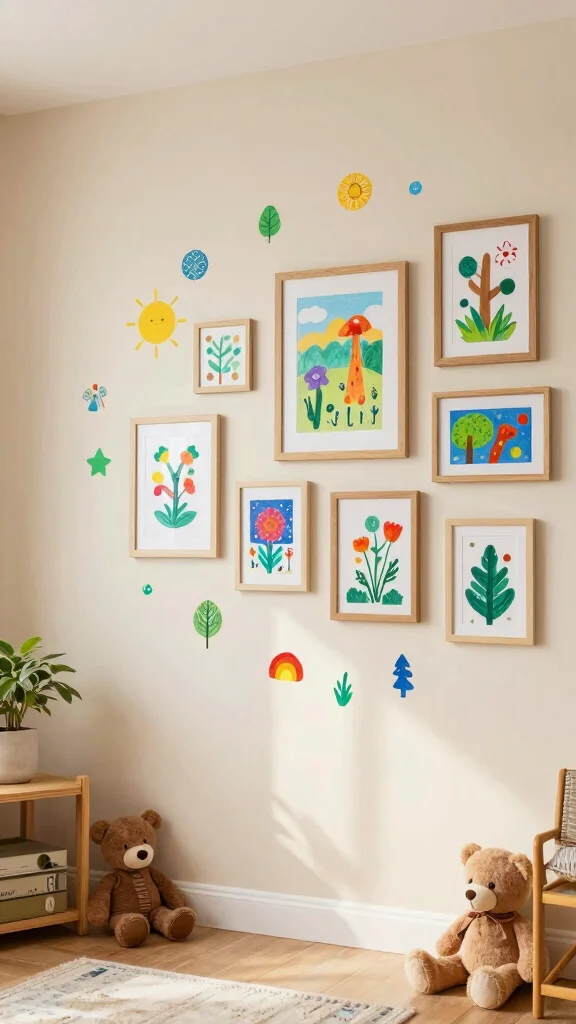
Walls are a blank canvas for creativity in a shared room. By selecting eco-friendly paint and removable wall decals, you can enhance the room’s aesthetic while ensuring a safe environment for your little ones. Consider non-toxic paints and decals that can easily change as your kids grow.
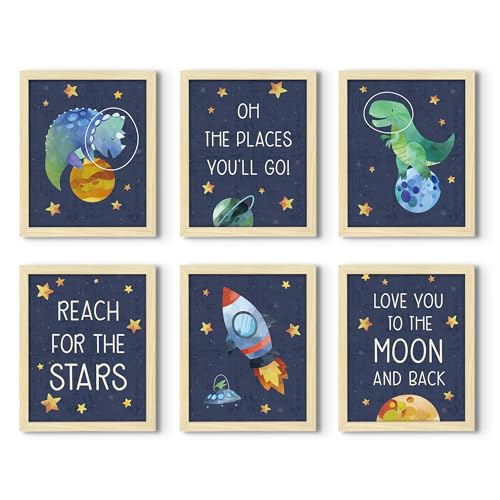
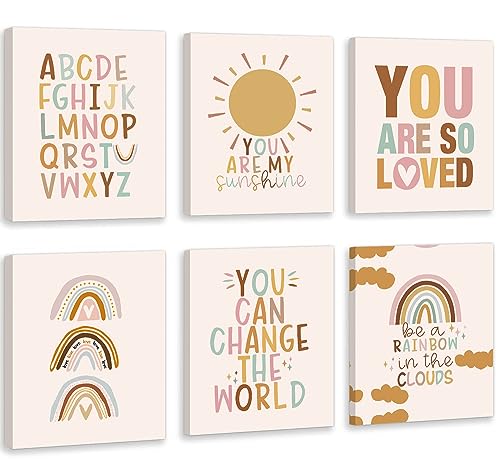
Creating a gallery wall with framed art made from recycled materials or displaying your toddler’s crafts can personalize the space, encouraging ownership. Elements like wooden frames or woven wall hangings add an organic touch to the decor.
– Use non-toxic paints and ethically sourced frames for decor.
– Showcase your toddler’s art to promote creativity and pride.
– Incorporate nature-inspired murals with non-toxic paint.
– Opt for removable decals for easy updates as styles change.
This creative approach not only beautifies the room but also fosters a nurturing atmosphere that reflects both children’s unique personalities.



5. Dual Purpose Furniture for Ultimate Efficiency
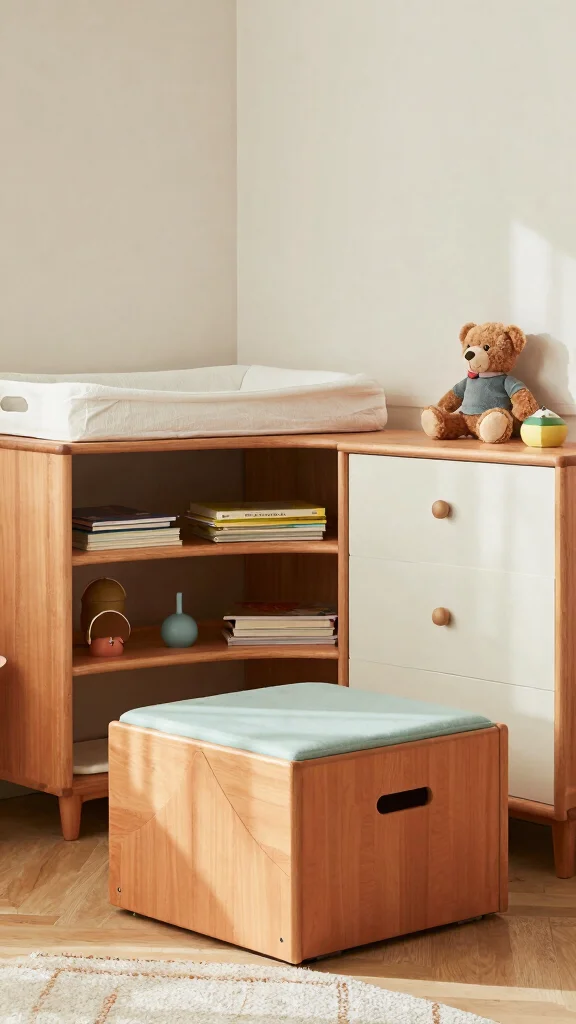
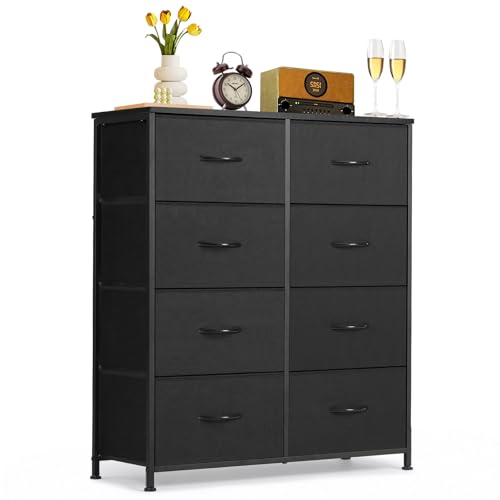
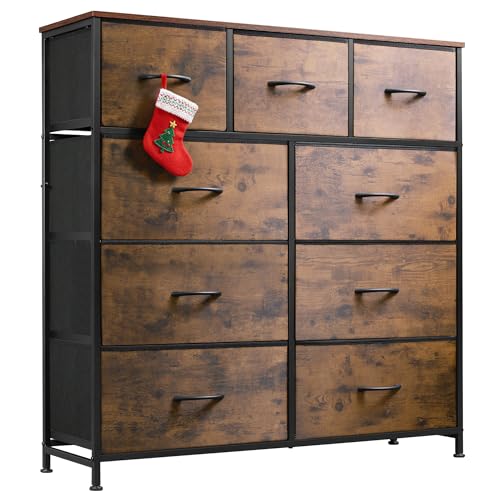
Furniture that serves multiple functions can revolutionize shared spaces. Look for cribs with built-in storage or changing tables that can convert into dressers. This smart furniture keeps the room organized, essential for creating a peaceful environment.
Investing in multi-functional pieces maximizes space and simplifies daily routines. For instance, a storage chest can double as seating for storytime, providing both function and charm.
– Consider ottomans that offer hidden storage for toys.
– Label storage areas to help older toddlers find their belongings.
– Choose stylish designs that fit seamlessly into the room’s decor.
– Opt for furniture made from reclaimed wood for sustainability.
By embracing dual-purpose furniture, you create a beautiful and functional space adaptable to your growing family’s needs.




6. Eco-Friendly Textiles for Comfort

The right textiles can elevate comfort in your shared room while emphasizing eco-friendliness. Choose organic cotton or bamboo for bedding, curtains, and rugs to provide a gentle touch against your children’s skin while reducing allergens.
Layering various textures, such as a soft cotton quilt with a natural fiber rug, adds warmth while keeping the space stylish. Ensure that all textile items are securely fastened to prevent any hazards for your curious toddler.
– Focus on using organic materials for all bedding and textiles.
– Mix different fabrics to create a visually interesting design.
– Stick with calming colors to promote relaxation and comfort.
– Opt for machine-washable items for hassle-free upkeep.
This emphasis on eco-friendly textiles fosters a cozy and inviting atmosphere that prioritizes both style and sustainability.
7. Greenery and Soft Lighting
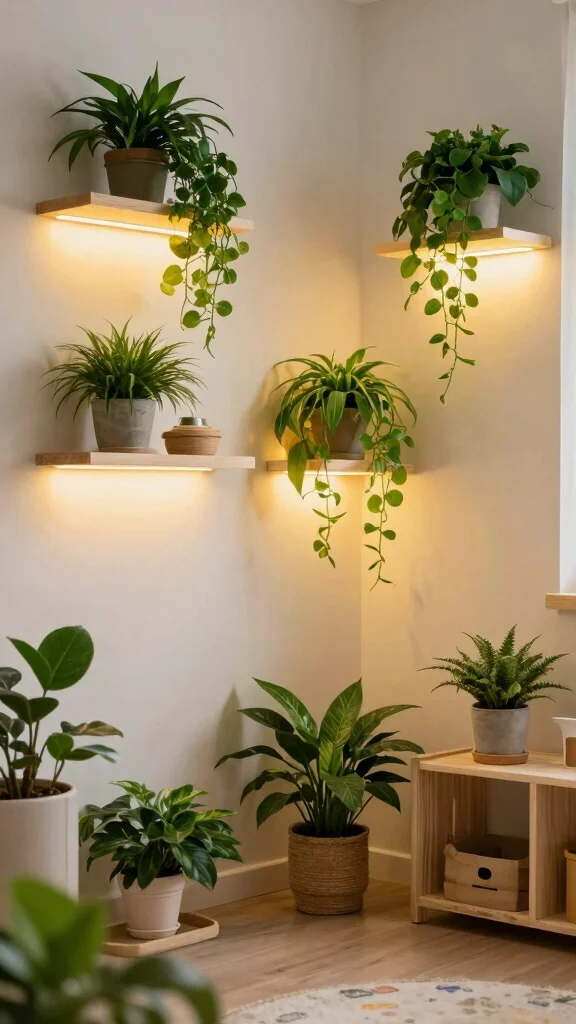
Introducing plants into your shared room enhances air quality and overall aesthetics. Choose non-toxic plants like spider plants or pothos, which are safe for kids and add a lively touch to the decor. Position these plants on shelves or hang them in decorative pots for a natural feel indoors.
Soft lighting plays a crucial role in crafting a calming atmosphere. Utilize warm LED lights, fairy lights, or gentle nightlights to provide a soothing glow, perfect for bedtime routines. This combination creates a nurturing environment that encourages relaxation and tranquility for both children.
– Opt for non-toxic, low-maintenance houseplants.
– Layer different light sources to enhance the ambiance.
– Place plants out of reach to ensure safety for little hands.
– Use planters made from ceramics or recycled materials.
This blend of greenery and soft lighting fosters a serene atmosphere, which is vital for a restful shared space.
You might also like
8. Collaborative Play Zones
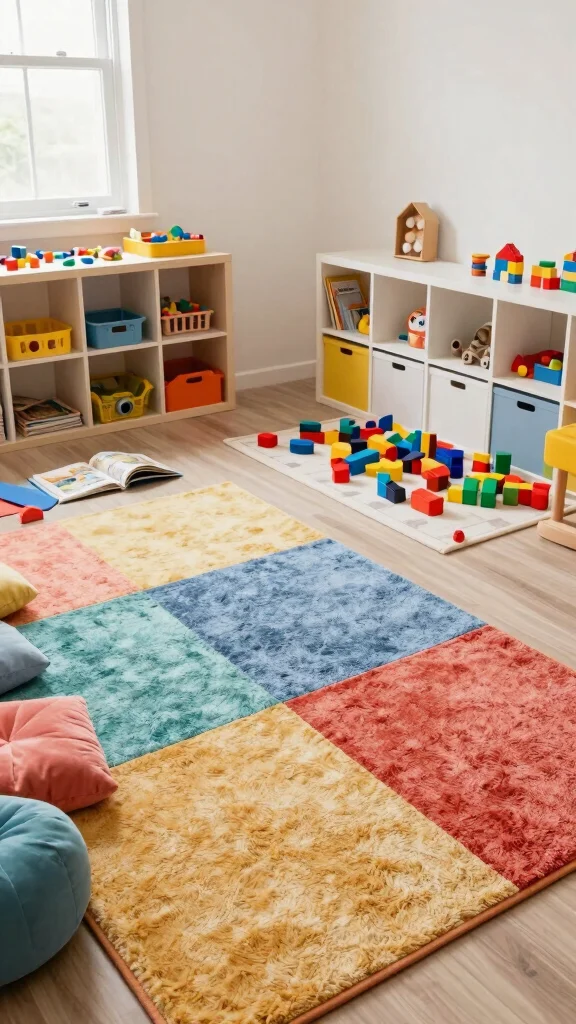
Creating designated play zones in a shared room helps organize playtime while encouraging sharing and cooperation. By establishing specific areas for different activities, both children can engage in imaginative play together. A reading nook with floor cushions and a low bookshelf can inspire a love for books, while a separate block area fosters creativity.
Colorful rugs can help define these spaces, aiding your toddler in understanding where each activity takes place. This visual cue keeps the room tidy while promoting independence in clean-up.
– Set up zones for reading, playing, and crafting.
– Use rugs or mats to clearly define each play area.
– Keep toys and materials organized yet easily accessible.
– Allow for flexible arrangements as they grow and change interests.
This approach nurtures collaboration and creativity while ensuring every inch of space is functional and enjoyable for both siblings.
9. Personalized Touches with Eco-Friendly Crafts
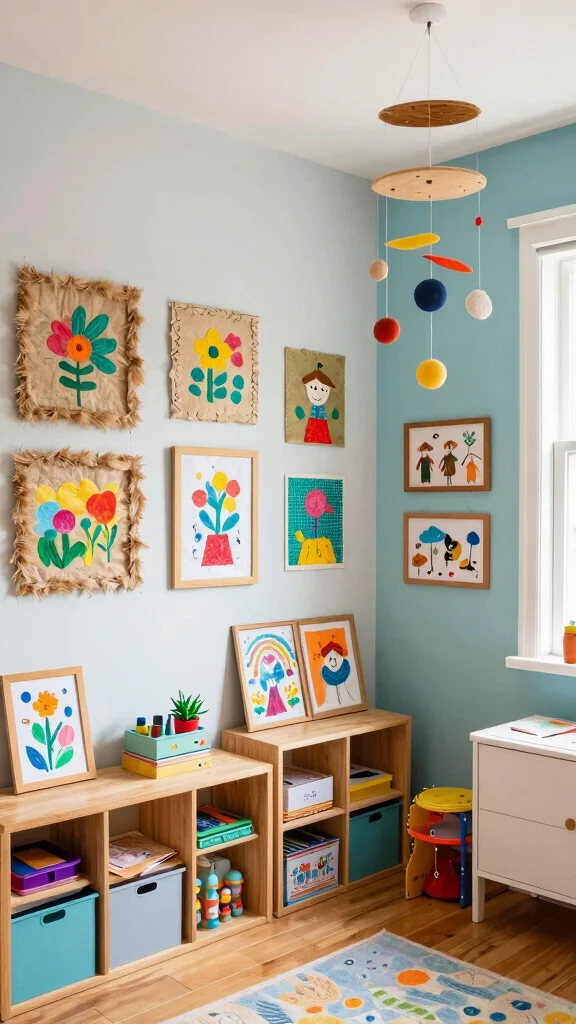
Adding personalized elements to your shared room enhances the sense of ownership for both children. Involve your toddler in creating crafts that can decorate the space, using eco-friendly materials like recycled paper or natural clay. These handmade items can transform into unique decor pieces that reflect their creativity.
Crafts can include framed art, decorative mobiles, or DIY wall hangings. This experience not only fosters creativity but also teaches valuable lessons about sustainability and resourcefulness.
– Create wall art using recycled materials for a personal touch.
– Designate shelves or walls for showcasing crafts.
– Set aside crafting time to promote bonding moments.
– Include safe sensory crafts for your baby to explore.
These personal touches truly make the shared space a reflection of both children’s personalities, cultivating a loving atmosphere filled with cherished memories.
10. Collaborative Storage Solutions
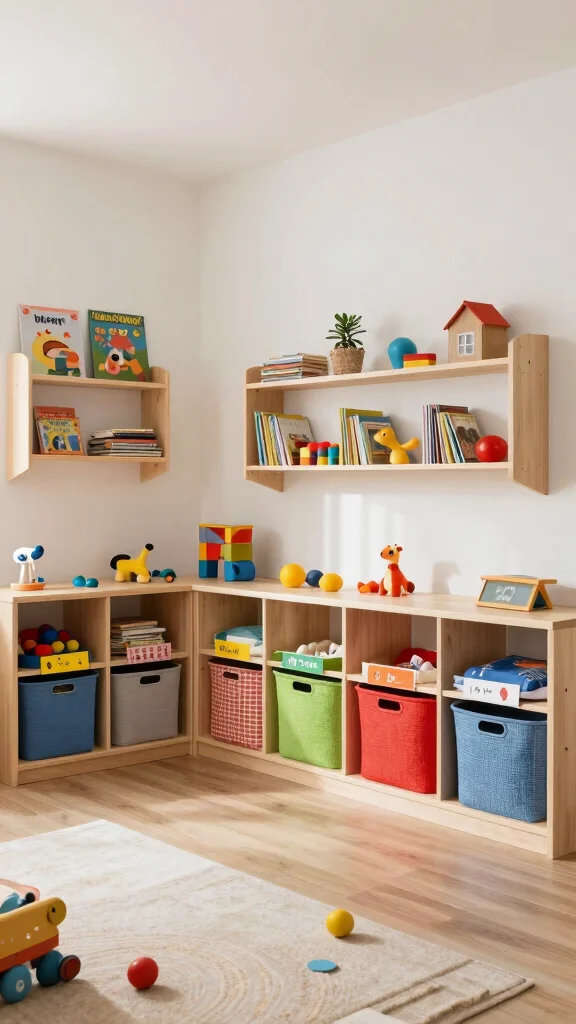
Storage can be a challenge in a shared room, but creative solutions can keep everything organized. Use large baskets or bins made from sustainable materials for easy access to toys. Label these containers with fun images or colors to help your toddler identify where things belong.
Incorporating vertical storage like wall-mounted shelves or hanging organizers maximizes space while keeping the floor clutter-free. This teaches kids about tidiness and promotes independent play and responsibility.
– Choose eco-friendly materials for storage baskets and bins.
– Utilize images and colors for easy labeling and recognition.
– Maximize wall space with shelves and hooks.
– Ensure storage solutions are within reach for your toddler.
By designing an efficient storage system, you create a calm and organized space where both kids can thrive.
11. Nature-Inspired Color Palette
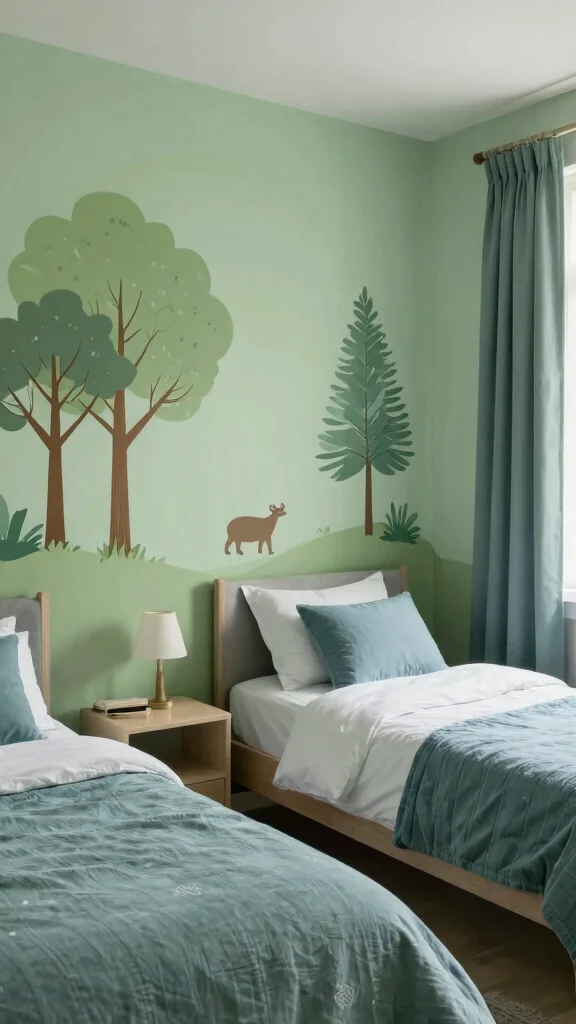
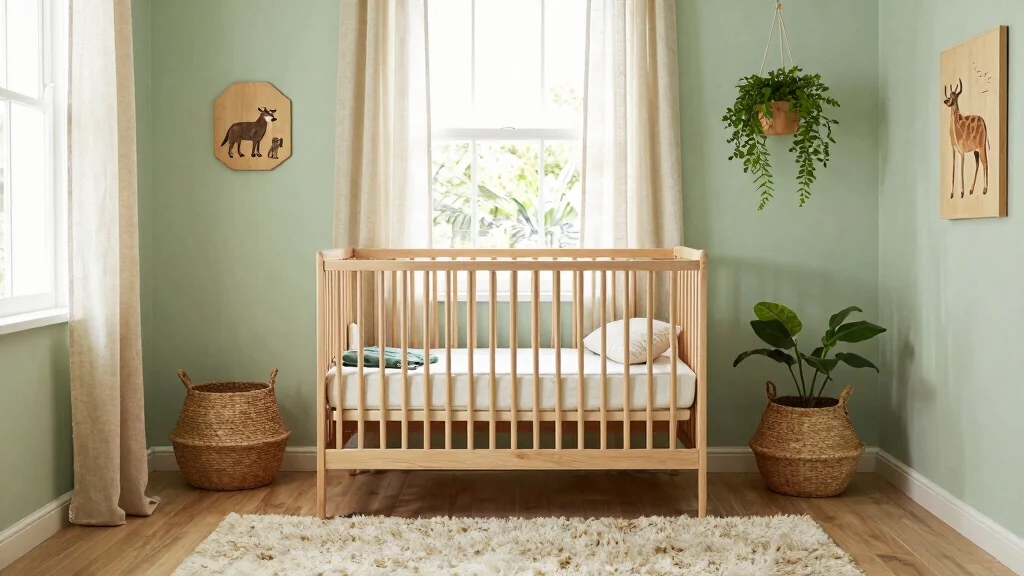
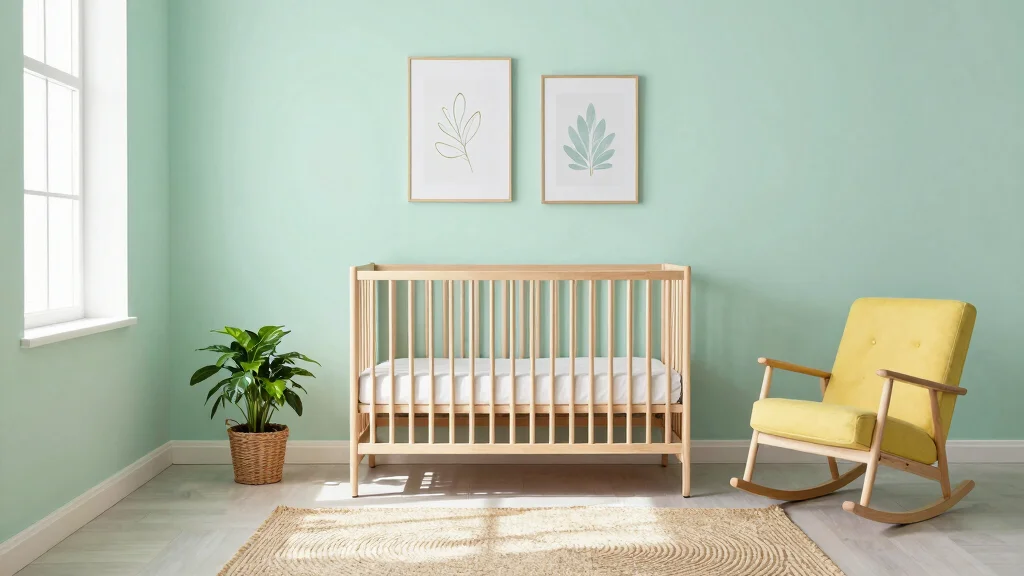
A nature-inspired color palette can transform your shared room into a tranquil oasis. Soft greens, blues, and earthy tones create a soothing atmosphere conducive to sleep and play. These colors evoke peace while stimulating creativity and learning.
Focus on using non-toxic paints for walls and eco-friendly fabrics for textiles in this palette. Add wall decals or art reflecting nature themes—such as trees, animals, or flowers—to tie the look together seamlessly.
– Choose a harmonious blend of natural colors for walls and decor.
– Ensure paints and textiles are eco-friendly and safe for children.
– Incorporate nature themes through artwork and decorative elements.
– Use soft lighting to enhance the calming effects of the color palette.
This thoughtfully curated environment promotes tranquility, making it a delightful space for both toddler and baby.


12. Flexible Play Equipment
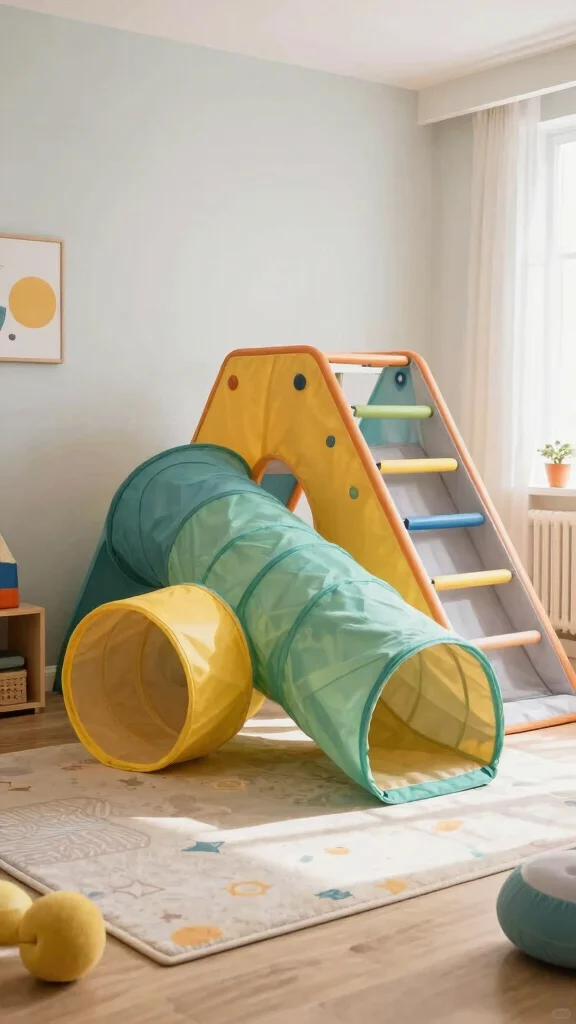
Integrating flexible play equipment can transform a shared room into a multifunctional playground. Look for items like foldable play tunnels, soft climbing structures, or inflatable mats that can be easily stored when not in use.
This allows your toddler to explore and play actively while providing a safe area for your baby to crawl and enjoy. Investing in equipment that serves multiple purposes encourages movement and creativity without occupying permanent space.
– Choose lightweight, flexible play equipment that can be tucked away.
– Ensure all items are age-appropriate and securely constructed.
– Look for multi-use items that can be used in various ways.
– Promote different types of play, from climbing to crawling.
By integrating flexible play options, you create an environment that adapts to your children’s evolving play needs.
13. Safety First: Eco-Friendly Options
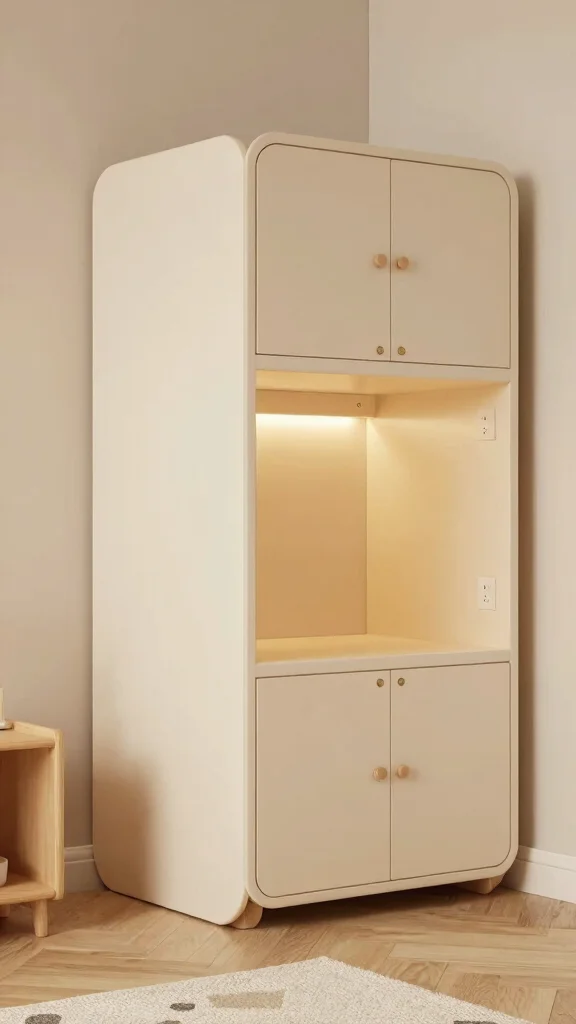
Prioritizing safety is essential when designing a shared room for toddlers and babies. Investing in eco-friendly furniture made from non-toxic materials significantly reduces harmful emissions in indoor air. Additionally, ensure that furniture has rounded edges and is securely anchored to prevent accidents as both children explore their space.
Implementing childproof locks on drawers and cabinets not only keeps them safe but also gives parents peace of mind. Installing outlet covers and keeping cords out of reach further enhances safety while using natural cleaning products creates a healthier atmosphere.
– Choose eco-friendly, non-toxic materials for all furniture.
– Look for furniture with rounded edges and stability for safety.
– Implement childproof locks and secure heavy items for protection.
– Maintain a healthy environment with natural cleaning solutions.
Creating a safe, eco-friendly room is vital for nurturing your little ones in a secure and healthy environment.
You Might Also Like
14. Cozy Nooks for Bonding
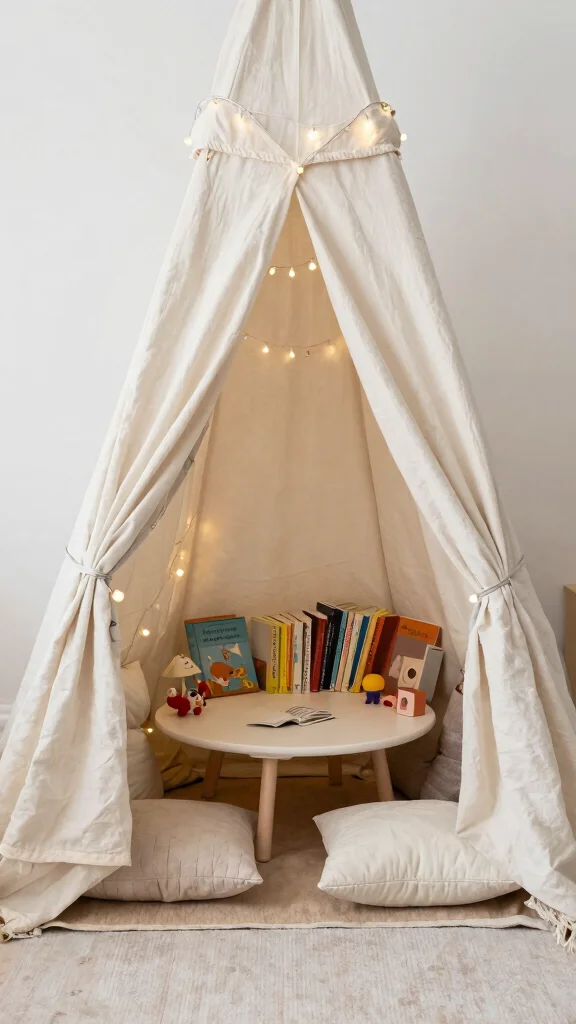
Designing cozy nooks in your shared room can foster bonding moments between your toddler and baby. Dedicate a corner with soft cushions and a low table for reading or quiet play, creating a comforting space where siblings can enjoy one another’s company.
Fill the nook with accessible, safe books and toys, and consider adding a lightweight blanket made from organic cotton for extra snugness. Small string lights can enhance the cozy vibe of this special retreat.
– Designate a corner of the room specifically for a cozy nook.
– Incorporate soft cushions and organic blankets for comfort.
– Keep age-appropriate books easily accessible for both children.
– Ensure the nook is safe and inviting for shared playtime.
This cozy nook serves as a perfect bonding spot, where siblings can create lasting memories together.
15. Seasonal Decor Changes
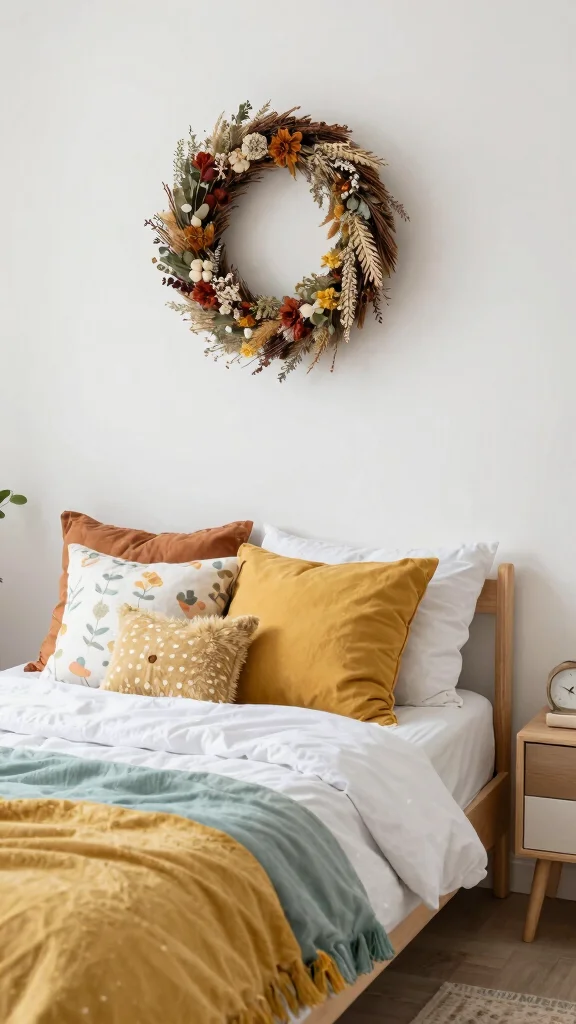
Regularly changing out decor can keep your shared room feeling fresh and exciting. Use natural materials that transition easily with the seasons, such as handmade wreaths or garlands crafted from dried flowers or leaves. This practice not only keeps the space visually engaging but also teaches your children about their environment’s changes.
Incorporate seasonal colors into bedding or wall decor to reflect the current palette, like earthy tones for fall or soft pastels for spring, invigorating the room.
– Choose seasonal decor crafted from natural elements.
– Rotate bedding and decor to align with each season.
– Involve your toddler in the decorating process to inspire creativity.
– Teach about seasons and their significance through decor changes.
This practice enhances the room’s appeal and creates a dynamic learning environment for both children.
Fun fact: Changing seasonal decor every 6–8 weeks keeps a toddler and baby shared room feeling fresh and engaging. Use natural materials and soft earth tones to mirror fall or spring palettes, helping kids learn about nature’s changes without clutter.
16. Creating Zones for Quiet Time
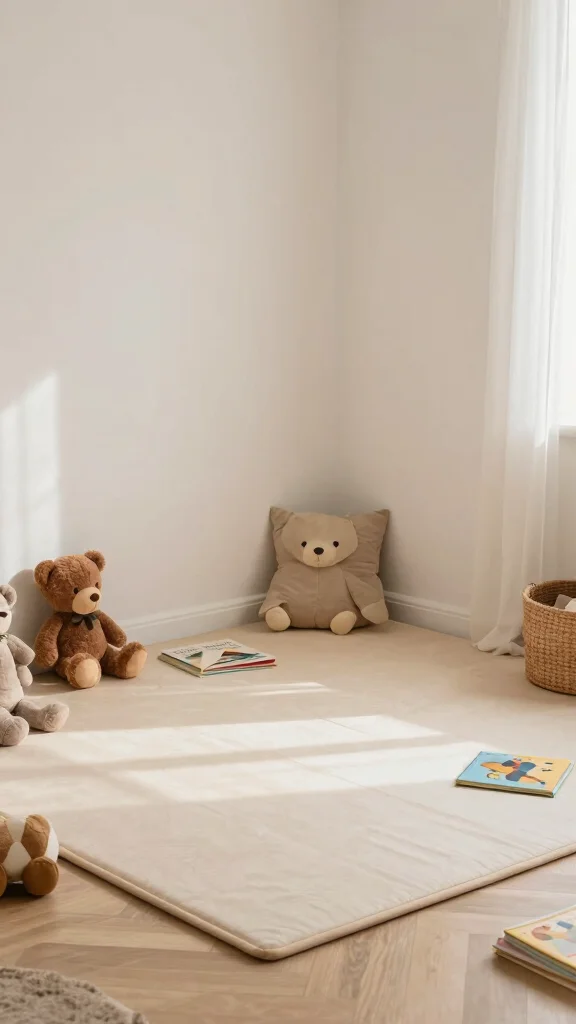
Establishing designated areas for quiet time is vital in a shared room to maintain tranquility. Create a cozy corner with soft floor mats or cushions where your toddler can unwind away from active play. This area can be equipped with soft toys or picture books to promote calmness and relaxation.
Using gentle colors and soft lighting in this quiet zone will help cultivate a peaceful atmosphere. Clearly defining this space helps children learn the importance of quiet time amid their lively activities.
– Create a separate area specifically for calm, quiet activities.
– Include plush toys and books to encourage relaxation and comfort.
– Use soft colors and warm lighting to enhance the space.
– Establish a routine for quiet time to foster a sense of calm.
This thoughtful layout promotes mindfulness, helping both siblings appreciate the value of relaxation amidst their vibrant playtimes.
A cozy quiet corner is a game-changer in a toddler and baby shared room. Use soft mats, gentle lighting, and sustainable fabrics; this little zone teaches calm, makes nap time smoother, and keeps active play separate without drama.
17. Sustainability Education Through Room Design
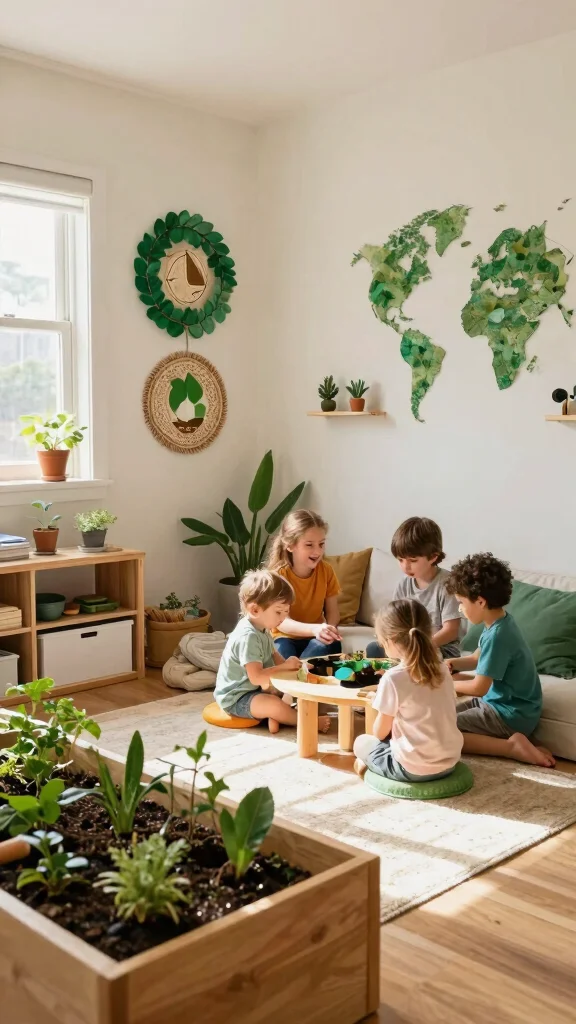
Incorporating sustainability education into your shared room design can instill a sense of environmental responsibility in your little ones. Use decor that emphasizes recycling and upcycling, such as handmade items or repurposed furniture. Engage your toddlers in discussions about caring for the environment, making them aware of their role in sustainability.
Consider including interactive elements like a small gardening area, allowing your kids to learn about plants and nature firsthand. This hands-on experience fosters values of sustainability while they enjoy their shared space.
– Use and promote recycled materials in room decor.
– Set up a small gardening area for caring for plants.
– Discuss eco-friendly practices with your toddlers.
– Encourage participation in sustainability projects to enhance engagement.
By designing your shared room with an emphasis on sustainability, you nurture a love for the environment within your children, creating conscientious future stewards of the earth.
Tiny changes, big learning: in a toddler and baby shared room, use recycled furniture and upcycled decor to teach by example. Involve your kids in a mini garden and simple swaps—recycling bins, labeled drawers—and watch curiosity and responsibility grow.
Conclusion
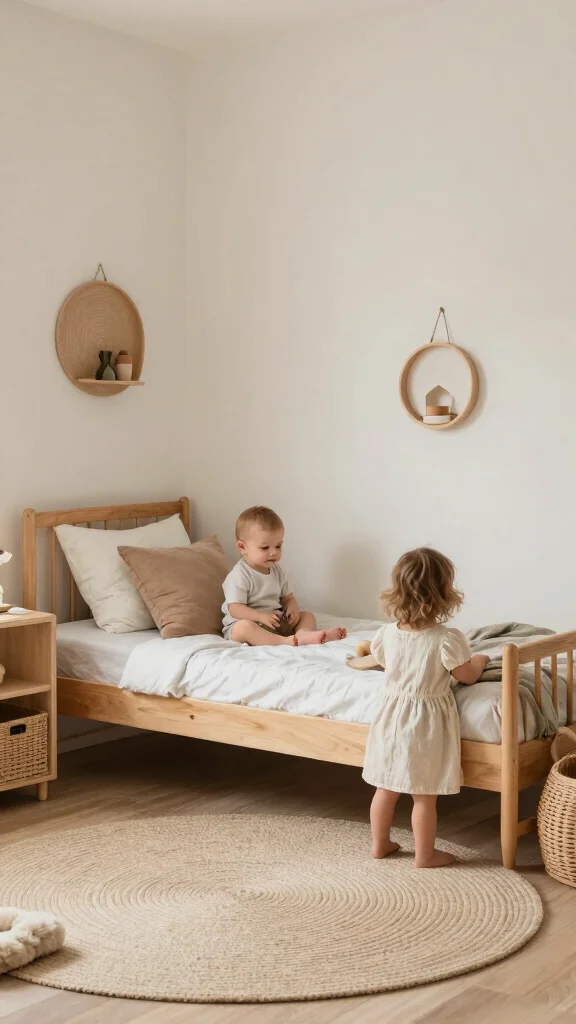
Designing a shared room for your toddler and baby is a delightful journey that combines creativity, functionality, and eco-friendliness. By incorporating thoughtful ideas like flexible layouts and sustainable decor, you can create a nurturing space that promotes both bonding and independence. These 17 ideas reflect a commitment to making a thoughtful environment where both children can grow, learn, and play together.
As you embark on this adventure, consider how each choice contributes not only to your children’s comfort but also to a healthier planet. Embrace the joy of crafting a shared room that reflects your family’s values and supports your little ones’ development.
Frequently Asked Questions
What are the best layout ideas for a toddler and baby shared room to maximize space and safety?
For a toddler and baby shared room, try these layouts: a dual sleep zone with a baby crib beside a low-profile toddler bed (separated by a soft divider), a loft or bunk with storage beneath, and a compact dresser that doubles as a room divider. Add wall-mounted shelves to keep the floor clear and simplify baby room organization.
Practical steps: measure the room, draft a floor plan with distinct sleep, play, and storage zones, choose space-saving furniture for kids crafted from eco-friendly materials, and anchor heavy items to the wall for safety. Finish with a cohesive shared room decor scheme so the space feels calm and unified.
How can I keep a toddler and baby’s shared room eco-friendly and non-toxic?
Go eco-friendly with materials and finishes: eco-friendly paints, non-toxic finishes, and FSC certified wood. Choose fabrics like organic cotton and bamboo; wash regularly for hygiene. Use multi-functional pieces to reduce clutter and select decor made from natural materials for shared room decor that ages well.
Practical tips: check product labels for low VOCs, seal wood with non-toxic finishes, and opt for washable slipcovers to maintain a fresh, safe space.
What space-saving furniture and storage solutions work best for a baby-toddler sharing room?
Look for furniture that serves multiple purposes: a loft or bunk bed with built-in drawers, a dresser that doubles as a changing station, and wall-mounted or floating shelves to free floor space. Use under-bed drawers, labeled bins, and modular cubbies to keep baby room organization simple. Choose pieces that fit a cohesive shared room decor theme and are light enough to reconfigure as kids grow.
Pro tip: install adjustable closet systems and wall anchors to maximize vertical storage while keeping the floor clear for play.
How can I organize baby gear and toddler toys in a shared room without clutter and safety issues?
Create zones for sleep, play, and storage to keep baby room organization predictable. Use closed storage for small parts and choking hazards, labeled bins for easy cleanup, and vertical organizers to keep frequently used items within reach for the toddler. Place the baby items higher or behind closed doors so the toddler can’t access them unsafely, and rotate toys to keep the space fresh without crowding.
Incorporate shared room decor elements that unify colors and textures, while maintaining practical separation between sleep and play areas.
How can a dual nursery design grow with the kids and stay stylish and eco-friendly?
Choose modular, convertible furniture that adapts from infancy through toddler years, like a convertible crib and a bed that transitions to a toddler or twin size. Use a neutral, durable base with easy-to-update accents to support dual nursery design goals and space-saving furniture for kids. Plan for future siblings by leaving flexible storage and using washable textiles in a cohesive shared room decor scheme. This approach keeps the room timeless, eco-friendly, and ready to evolve as your family grows.
Related Topics
home decor
shared room decor
eco-friendly design
toddler bedroom
baby room organization
dual nursery design
space-saving furniture
minimalist layout
easy decor ideas
sustainable living
family-friendly spaces
small room solutions