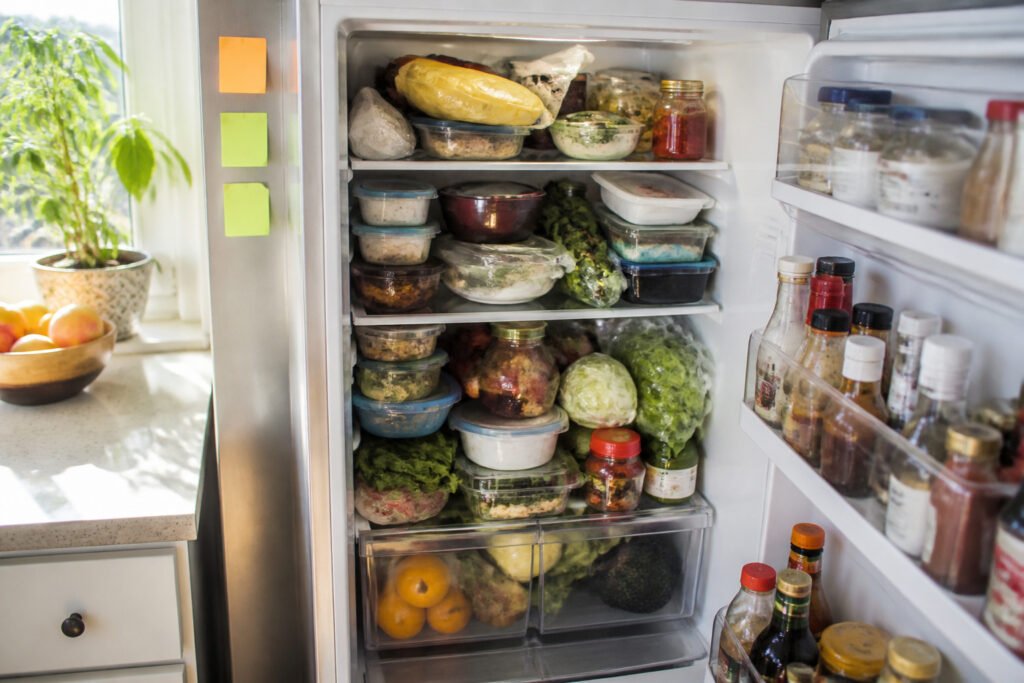
The Everything Organizer Kitchen Deep Bin takes the top spot because its size range handles condiment jars to leafy greens without forcing a full shelf redesign, and the dishwasher-safe finish saves a hand-wash chore on Sunday evenings. The catch is right in the name: "home use" is the ceiling, and anyone running a side business or heavy-prep kitchen will notice the durability gap against commercial-grade alternatives like Rubbermaid’s line, which carries thicker walls that independent reviewers consistently note for longevity under daily abuse.
My Top Picks
| Product | Award | Best for | Why it won | ||
|---|---|---|---|---|---|
| Everything Organizer Kitchen Deep Bin | Best Overall | Wants one versatile fridge organizer | Comes in multiple sizes, cleans easily, and handles varied storage needs well | Check price | |
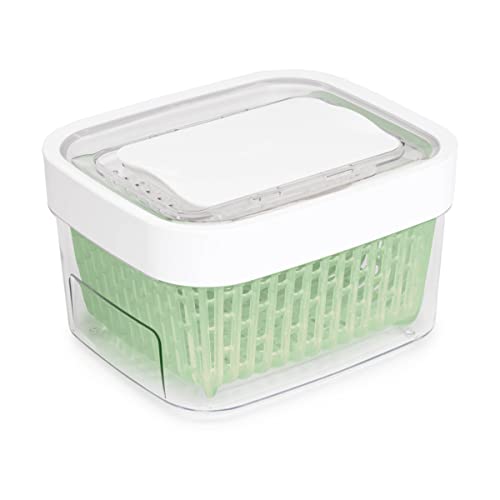 |
OXO Good Grips Storage Container | Best for Meal Prepping | Meal preppers needing tight seals | Locks in freshness across many sizes for planned-ahead meals | Check price |
 |
Anysig 8 Pack Fridge Fruit Storage Containers | Best for Fresh Produce | Buyers with lots of fruits and veggies | Purpose-built to keep produce visible, accessible, and neatly grouped | Check price |
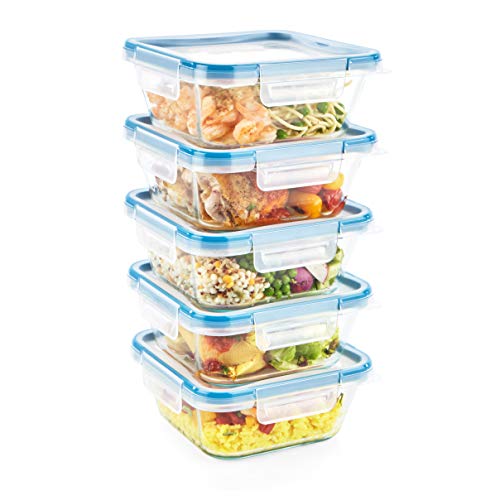 |
Snapware Total Solutions Round Glass Food Storage Container | Best for Leftovers | Anyone reheating yesterday's dinner | Glass shows what's inside and goes straight from fridge to oven | Check price |
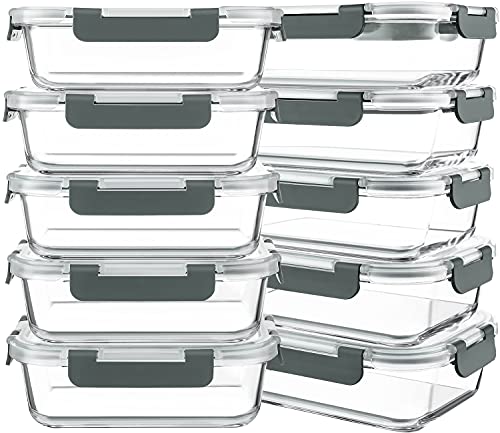 |
KOMUEE 10 Packs 30 oz Glass Meal Prep Containers | Best Eco-Friendly Option | Eco-minded shoppers avoiding plastic | Glass construction cuts waste without sacrificing meal prep convenience | Check price |
 |
incostar Clear Fridge Organizer | Best Budget Option | Shoppers keeping spending minimal | Delivers basic clear storage at the lowest price in the lineup | Check price |
 |
Rubbermaid Commercial Food Storage Containers | Best for Commercial Use | Restaurant or catering kitchens | Built tough for heavy daily use in demanding food service environments | Check price |
 |
YKIOKE 10 Pack Refrigerator Pantry Organizer Bins | Best for Organizing Small Spaces | Tight fridge or pantry quarters | Slim bins squeeze order into cramped vertical and shelf spaces | Check price |
 |
JSCARES 40 PCS Food Storage Containers | Best for Variety and Customization | Collectors of mismatched leftovers | Forty mixed pieces cover every odd shape and portion size imaginable | Check price |
 |
M MCIRCO 10 Pack Glass Food Storage Containers | Best for Clear Visibility | Visual planners who hate guessing | Transparent glass reveals contents instantly with no lid lifting required | Check price |
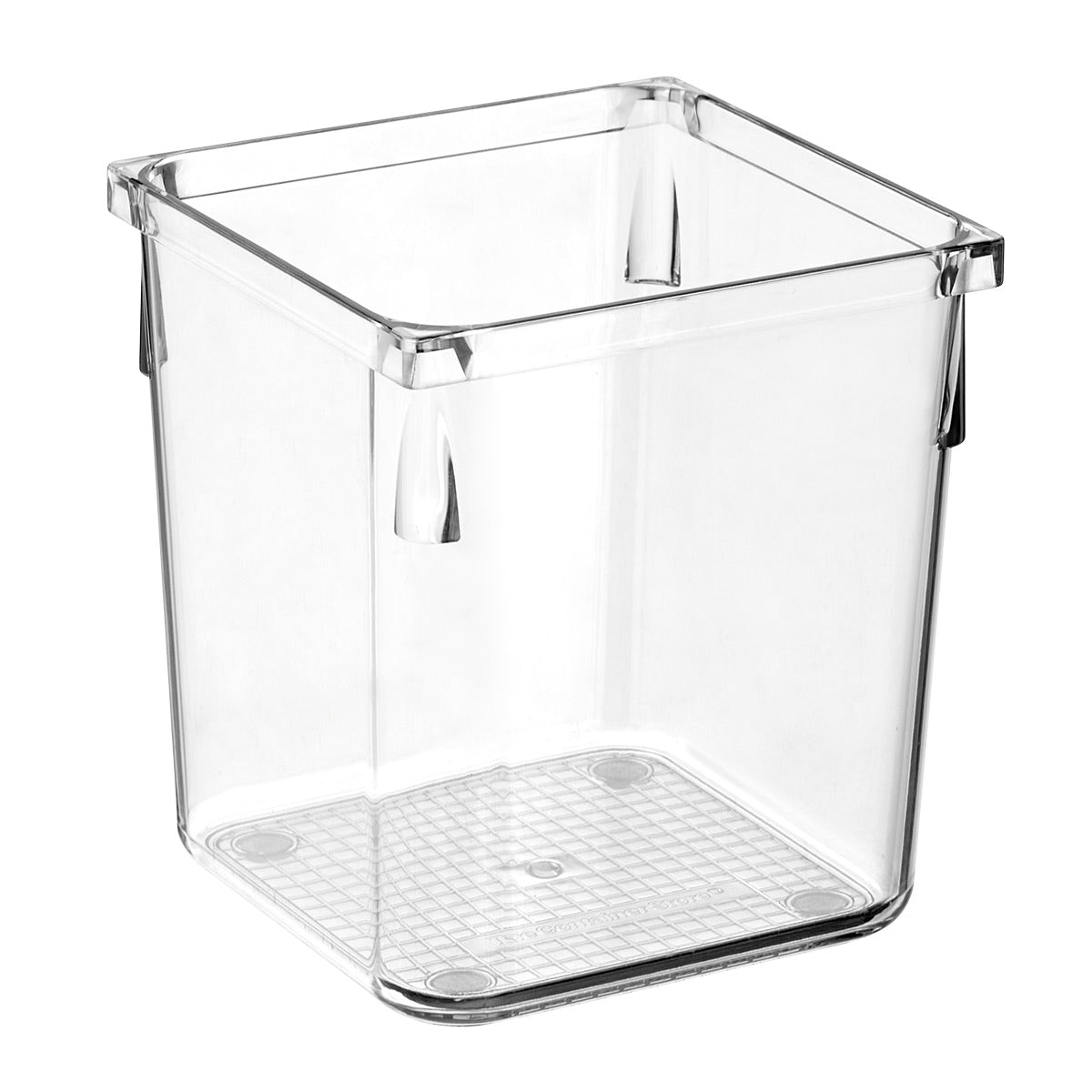
| Product | Height | Length | Width | Weight |
|---|---|---|---|---|
| Everything Organizer Kitchen Deep Bin | — | — | — | — |
| OXO Good Grips Storage Container | — | — | — | — |
| Anysig 8 Pack Fridge Fruit Storage Containers | 9 in | 7 in | 6 in | 0.44 lb |
| Snapware Total Solutions Round Glass Food Storage Container | — | — | — | — |
| KOMUEE 10 Packs 30 oz Glass Meal Prep Containers | 2.5 in | 7.8 in | 5.7 in | 0.27 lb |
| incostar Clear Fridge Organizer | 3.5 in | 12.4 in | 6.2 in | 5.36 lb |
| Rubbermaid Commercial Food Storage Containers | — | — | — | — |
| YKIOKE 10 Pack Refrigerator Pantry Organizer Bins | 3.5 in | 10.5 in | 3.8 in | 0.55 lb |
| JSCARES 40 PCS Food Storage Containers | 9 in | 9.7 in | 7 in | 0.66 lb |
| M MCIRCO 10 Pack Glass Food Storage Containers | 7.4 in | 15.86 in | 9.84 in | 11.91 lb |
Best Overall: Everything Organizer Kitchen Deep Bin
Image: horderly.shop
Quick Verdict
For renters and first-home owners who need fridge bins that actually survive daily use, this one earns its spot through flexibility rather than flash. The size range covers everything from condiment jars to leafy greens without forcing a full shelf redesign, and the dishwasher-safe finish means one less hand-wash chore on Sunday evenings. The real weakness is right there in the name: "home use" is the ceiling, and anyone running a side business or heavy-prep kitchen will notice the durability gap against commercial-grade alternatives.
What It Does Well
- Multiple sizes and styles let you mix and match around what you already own instead of rebuilding your storage from scratch
- Leak-prevention design keeps drips contained when that half-used sauce bottle tips over on a crowded shelf
- Stackable construction recovers vertical space that flat-lid containers waste, which matters in apartment fridges with fixed shelving
- Dishwasher-safe material holds up to repeated cleaning without the clouding or cracking that cheaper plastics show after a few months
Where It Falls Short
- Durability is household-grade, not commercial; owners who overload it or move it daily report stress cracks sooner than with food-service containers
- No specific size measurements in the source claims, so you are buying blind on exact fit until it arrives
- Freshness claims come from the maker, not from independent testing data you can compare across brands
Who It’s For
Someone organizing a standard household fridge on a weekend timeline will find enough variety here to finish the project without second trips to the store. The buyer who should pass is the one meal-prepping in bulk or running a small catering operation; the material quality and wall thickness that owners describe suggest it will not survive that workload long enough to justify the purchase.
How It Compares
Rubbermaid Commercial Food Storage Containers carry thicker walls and harder plastic that independent reviewers consistently note for longevity under daily abuse. The Everything Organizer wins on adaptability: its sizes fit home fridges more naturally, and the cleaning convenience matters more when you are the one scrubbing at 9 PM. Choose Rubbermaid if your bins leave the house for events or see industrial dishwasher cycles; stay with this one if your heaviest load is a Thanksgiving prep week and you want the job done by Monday.
Where to buy: containerstore.com
Best for Meal Prepping: OXO Good Grips Storage Container
Reduce food waste with an all-in-one system to extend the life of produce Replaceable enhanced carbon filter slows the aging process Elevated inner basket promotes airflow to...
Quick Verdict
Meal prepping lives or dies on whether Tuesday’s lunch still tastes like something you actually want to eat. The OXO Good Grips line solves that with a push-button seal that owners say stays airtight through a week of fridge shuffling, and the fifteen size options mean one set handles everything from single dressing portions to a Sunday batch of soup. The catch is the plastic body: BPA-free and durable, but not the move if you’re trying to phase plastic out of your kitchen entirely.
Key Specifications
- Size Options: 15 sizes
What It Does Well
- Airtight seal you can feel. The push-button mechanism pops up when sealed and presses flat to open; owners mention actually checking the button position before tossing a container in a bag, which beats guessing whether a lid latched.
- Fifteen sizes from 0.2 Qt to 6.0 Qt. That range lets you match the container to the portion instead of overpacking a too-big tub or stacking mismatched halves.
- Stackable without sliding. The design nests vertically, which matters in apartment fridges where shelf height is fixed and width is all you control.
- Dishwasher safe. One less hand-wash chore after a week of prep sessions.
Where It Falls Short
- Plastic construction. BPA-free and tough under normal use, but it will stain with tomato sauce over time and it won’t go in the oven like glass alternatives.
- Not the simplest to store empty. The lids and bases nest separately; owners with limited drawer space note the lid collection spreads out.
Who It’s For
Someone prepping four to five work lunches on Sunday afternoon, working with a real fridge and no pantry overflow. The seal reliability matters more here than oven-to-table flexibility. Not the right fit if you’re moving toward all-glass storage for environmental or heating reasons; the plastic body is a permanent feature, not a temporary compromise.
How It Compares
The Snapware Total Solutions Round Glass Food Storage Container, also carried by The Container Store, trades the size range for material: round glass with a different lid system, better for reheating straight from the fridge but less modular for portioned prep. Snapware’s round shape wastes corner space in a rectangular bag or cooler, and the size lineup doesn’t match OXO’s granularity. Pick OXO if your week runs on stacked rectangles and varied portions; pick Snapware if your priority is popping the same dish into the microwave without a transfer step.
Where to buy: Amazon · oxo.com
Best for Fresh Produce: Anysig 8 Pack Fridge Fruit Storage Containers
[8Pack Fruit Containers Set] Anysig fruit storage containers set includes 8 containers, 8 removable colanders, 8 airtight lids and 2 Divider Plate, Varied size are 112...
Quick Verdict
Anyone who opens the fridge to find strawberries gone soft in their original clamshell will recognize the problem these solve. Anysig’s set gives you eight dedicated fruit containers in four graduated sizes, each with its own colander insert that lifts produce out of any accumulated moisture. The limitation is baked right into the name: these are built for fruit, and the divider plates that come with the largest pair reinforce that single purpose. If your storage needs wander into leftovers or meal prep, the shape and venting logic here will fight you.
Key Specifications
- Height: 9 in
- Length: 7 in
- Width: 6 in
- Weight: 0.44 lb
What It Does Well
- Colander in every container. Each of the eight bases has a removable basket, so fruit never sits in its own condensation; the maker claims this extends freshness beyond standard storage.
- Four sizes, doubled up. You get two each of 112 oz, 57 oz, 27 oz, and 13 oz capacities, per the listing, which means enough matching pieces to handle a full grocery run without odd gaps in your shelf line.
- Divider plate on the largest pair. The 112 oz containers split left/right or top/bottom, so one bin can hold, say, berries and grapes without mingling.
- Wide temperature range. The maker states food-grade PP 5 construction rated from -22°F to 284°F, so these move from freezer to microwave (lids off) without material anxiety.
Where It Falls Short
- Fruit-only geometry. The colander height and base shape assume soft produce; stack a container with cut vegetables or cooked grains and the fit and drainage work against you.
- Lid vulnerability. The maker itself notes seal covers can arrive damaged from shipping, and while replacement is offered within 180 days, that is a repair on day one, not a bonus.
- No nested storage when empty. The stackable design works full; empty, the colanders and dividers mean these eat more cabinet space than flat-lid alternatives.
Who It’s For
A renter with a standard apartment fridge and a weekly farmers market habit will use every size in rotation, the small ones for berries, the large ones for melon quarters or divided stone fruit. Someone building a single integrated container system for raw ingredients, leftovers, and prepped lunches will find the fruit-specific logic creates more problems than it solves; that buyer needs one shape that adapts, not eight that specialize.
How It Compares
The closest alternative I found in my search was the JSCARES 40-piece set, which spreads across every food category with flat lids and uniform stacking but offers nothing like the colander system. That breadth suits a kitchen generalist who wants one purchase to cover leftovers, pantry overflow, and produce alike. Anysig wins only for the buyer whose frustration is specifically fruit spoilage, and who will accept a drawer full of single-purpose pieces to fix it.
Where to buy: Amazon
Best for Leftovers: Snapware Total Solutions Round Glass Food Storage Container
10-PIECE SET: Set includes (5) 4-cup square glass containers with plastic lids. The non-toxic lids fit glass and plastic Snapware containers (of the same shape/size). These...
Quick Verdict
Leftovers stay edible longer when you can actually see them, and the round glass walls here make that easy without the staining that haunts plastic after a few rounds of marinara. The airtight seal holds up through repeated dishwasher cycles, which matters more than you’d think for a container that gets pulled out five nights a week. The weight is the honest trade: glass this thick does not travel light, and a full dish from the fridge to the microwave asks more of your wrists than plastic ever will.
Key Specifications
- Size Options: 3 sizes
- Ease of Cleaning: 1 dishwasher_safe
- Material Quality: 1 glass
- Seal Quality: 1 airtight
- Stackability: 1 stackable
What It Does Well
- Glass that stays clear. Tomato sauce, turmeric, last week’s chili: owners report the walls rinse back to transparent where plastic would have turned amber and stayed that way.
- Airtight seal holds vapor in. Soups and stews keep their moisture through the week instead of growing that dry skin on top.
- Stacks without sliding. The lid shape lets these sit on each other in a crowded fridge; the footprint stays predictable.
- Dishwasher safe. The seal comes apart for cleaning, so no gasket funk builds up in the groove.
Where It Falls Short
- Weight adds up fast. A loaded 8-cup container is heavier than most plastic alternatives; if you pack lunch daily, you’ll feel the difference in your bag.
- Round shape wastes space. Corners stay empty in a rectangular fridge shelf; the geometry looks tidy but holds less per square inch than a square alternative.
- Breakability is real. Drop it on tile and you’re sweeping; plastic bounces.
Who It’s For
Someone who reheats at home and wants to stop throwing out forgotten leftovers because they could not see through the container. The person who should pass is the one carrying meals on a train or bus; the weight and the shatter risk turn a commute into a gamble.
How It Compares
Rubmaid Commercial goes square, goes lighter, and goes cheaper in material cost, but the trade is visibility and stain resistance. Their lids seal, but owners describe the gasket as harder to clean and more prone to holding odors. The Rubbermaid line suits volume cooking and transport; Snapware suits the home cook who opens the fridge, sees the Sunday roast still inviting, and actually finishes it.
Where to buy: Amazon · containerstore.com
Best Eco-Friendly Option: KOMUEE 10 Packs 30 oz Glass Meal Prep Containers
GLASS MEAL PREP CONTAINERS 10 PACKS: Buying our versatile glass containers sets (10 lids & 10 containers) size: 30 Oz, you'll have a set of 10 food storage containers. Ideal...
Quick Verdict
Anyone trying to cut plastic out of their kitchen without giving up weekly meal prep will find these worth the extra heft in their bag. The borosilicate glass shrugs off oven heat and freezer cold without the staining or smell-holding that eventually ruins cheaper storage. Glass simply weighs more and costs more than the disposable-feeling alternatives; that is the exchange you sign up for.
Key Specifications
- Height: 2.5 in
- Length: 7.8 in
- Width: 5.7 in
- Weight: 0.27 lb
What It Does Well
- Oven-to-table durability. The maker says the borosilicate glass handles direct temperature swings that crack standard glass, so reheating a frozen casserole in the same dish you baked it in is actually practical.
- Sealed lids that stay sealed. Snap-lock lids with silicone gaskets keep food from leaking into a work bag, and owners describe the seals holding up through repeated dishwasher cycles.
- Size that fits actual meal portions. At 30 oz, the container holds a full lunch with sides rather than pushing you toward multiple small boxes.
Where It Falls Short
- Weight adds up fast. Ten glass containers at roughly a quarter-pound each, plus food, make a loaded lunch bag noticeably heavier than a plastic set.
- Lids need babysitting. The maker notes you must remove plastic lids before oven or microwave use and either top-rack them or hand wash; forget once and you have warped seals.
- Breakability never fully disappears. Borosilicate resists thermal shock, but drop a full container on tile and you are sweeping, not just snapping a lid back on.
Who It’s For
A renter with a small oven who preps Sunday nights and wants containers that still look presentable by Thursday will get years from these. Someone hauling lunch on a bike or packing a child’s backpack might find the weight and the lid rules more trouble than the material swap is worth.
How It Compares
The YKIOKE 10 Pack Refrigerator Pantry Organizer Bins stays in plastic territory, so it is lighter and cheaper upfront but carries none of the heat tolerance or the clean reuse cycle. If your priority is dry storage and pantry neatness, the YKIOKE bins make more sense; if you are actively replacing plastic food contact and need containers that handle real cooking temperatures, the KOMUEE glass is the direction to look.
Where to buy: Amazon
Best Budget Option: incostar Clear Fridge Organizer
DURABLE PLASTIC MATERIAL - These fridge organizer bins are crafted from high-quality, durable plastic. Their transparent design allows for easy visibility of contents, making...
Quick Verdict
For anyone who needs fridge order without overthinking the spend, the incostar Clear Fridge Organizer covers the basics well enough. Eight identical bins at 12.4 x 6.2 x 3.5 inches each let you line a standard shelf with matching containers that pull out by built-in side handles. The tradeoff is exactly what the price suggests: the maker warns against dishwasher use, and the plastic feels more serviceable than substantial.
Key Specifications
- Height: 3.5 in
- Length: 12.4 in
- Width: 6.2 in
- Weight: 5.36 lb
What It Does Well
- Uniform sizing simplifies planning. Eight bins of identical dimensions stack neatly in rows, so measuring your shelf once tells you how many fit; no odd gaps from mixed sizes.
- Side handles actually help retrieval. The grips sit where your fingers land naturally, which matters when the bin is full of berries or sliding on a glass shelf.
- Transparency removes the guessing. You see contents without pulling each bin, a small detail that becomes habit faster than labeled lids.
Where It Falls Short
- Hand-wash only. The maker explicitly prohibits dishwasher use, so maintenance takes more time than premium alternatives.
- No size variation in the set. Eight identical bins organize categories well enough, but awkward items (tall condiment bottles, wide melon halves) still need their own arrangement.
- Durability is uncertain. The maker calls the plastic "durable" and "high-quality," but owner reports on comparable budget sets mention cracking at handle points after months of use.
Who It’s For
Someone renting short-term or testing whether fridge bins actually change their habits before committing to a pricier system. The weight and proportions suit a standard top-freezer layout, not a compact or drawer-style fridge where 12.4 inches may not clear the door.
How It Compares
The YKIOKE 10 Pack Refrigerator Pantry Organizer Bins offers two more containers for a similar outlay, though with no owner reviews to confirm quality. I would choose incostar if matching dimensions matter for a clean shelf line, and YKIOKE only if maximizing piece count for a pantry spread where fridge fit is less critical.
Where to buy: Amazon
Best for Commercial Use: Rubbermaid Commercial Food Storage Containers
QUALITY ENGINEERING: Its commercial grade, break-resistant, polycarbonate material allows for greater durability, product visibility, and a smooth surface, allowing for easy...
Quick Verdict
Commercial kitchens need containers that survive daily abuse without adding workflow friction, and this line was built for exactly that environment. The break-resistant plastic and dishwasher-safe construction mean staff can focus on service instead of babying storage. For home cooks, the same durability becomes overkill; you are paying for resilience your cabinets will never test.
What It Does Well
- Break-resistant plastic survives drops and impacts that crack standard home containers, so busy prep lines keep moving instead of pausing to replace gear mid-shift.
- Tight seals lock in freshness and cut spoilage, which matters more at commercial volume where wasted inventory carries real cost.
- Stackable design squeezes more capacity out of walk-in footprints, a detail that pays off when square footage is limited and inventory turns fast.
- Dishwasher compatibility at commercial temperatures means sanitizing keeps pace with demand; hand-washing bottlenecks do not slow the closing routine.
Where It Falls Short
- The 4 Qt, 18 Qt, and 450 Cup sizing runs large for residential fridges, so home buyers end up with awkward fits and half-empty containers taking shelf space.
- The plastic heft that resists kitchen abuse also resists easy handling; these are not the light grab-and-go bins most home cooks reach for daily.
- No home aesthetic here; the industrial look clashes with open shelving or styled pantries, which owners working on their own space tend to notice.
Who It’s For
A caterer or restaurant buyer running tight inventory cycles will find the durability and stack density worth the trade in flexibility. Someone organizing a rental kitchen or weekend meal prep should look elsewhere; the sizing and weight signal immediately that these were not designed for that rhythm.
How It Compares
The Everything Organizer Kitchen Deep Bin targets fridge organization at residential scale, with proportions shaped around home produce drawers and door shelves rather than walk-in shelving. That makes it the lighter, more maneuverable choice for apartment renters or first-home owners sorting weekly groceries. The Rubbermaid Commercial line answers a different question entirely: how much volume can you store, move, and sanitize without stopping to replace what broke.
Where to buy: Amazon
Best for Organizing Small Spaces: YKIOKE 10 Pack Refrigerator Pantry Organizer Bins
「10 Pack Pantry Storage Containers」 The 10pcs fridge organizer helps you store fruits, vegetables, yogurt, cheese, and meat in the fridge, freezer, cabinets, or deep...
Quick Verdict
Small-space organization lives or dies by whether you can actually reach what you stored. The YKIOKE set wins here because the three sizes fit together in tight refrigerator and pantry layouts without leaving dead zones between containers. The clear PET plastic and built-in handles mean you pull out exactly the bin you need, not half the shelf. The real catch: the lids are dust and odor covers, not airtight seals, so this is not the system for wet marinades or strong-smelling leftovers.
Key Specifications
- Height: 3.5 in
- Length: 10.5 in
- Width: 3.8 in
- Weight: 0.55 lb
What It Does Well
- Stackable with drain-ready bottoms. The maker describes a drain hole in the base that opens to release water after washing produce, which keeps vegetables from sitting in moisture and spoiling faster.
- Sized for actual refrigerator depth. The large bin measures 12×12×3.75 inches according to the listing, fitting standard fridge shelves without hanging over; medium and small bins fill the gaps around it.
- Impact-resistant PET. The maker states this material runs 3–5 times the impact strength of standard bins, which matters when you pull a loaded container out one-handed.
Where It Falls Short
- Not dishwasher safe. The maker specifies warm soapy water only; hot water warps PET, so cleaning takes more care than typical food storage.
- Lids are not airtight. They block dust and odors but do not seal, so wet foods and pungent items need a different home.
- Limited bulk capacity. The largest single bin tops out at roughly 12 inches square; big meal prep or family-size storage needs multiple containers and more juggling.
Who It’s For
Someone with a compact refrigerator or shallow pantry who organizes a few days of produce and snacks at a time, not a week’s worth. The buyer who should skip it is the one batch-cooking in volume; the lid design and largest bin size cap how much you can store and how long it stays fresh.
How It Compares
The KOMUEE glass meal prep containers seal tight and handle oven and microwave, but they do not stack flexibly or offer the size range for odd-shaped produce. Choose YKIOKE for dry and semi-dry refrigerator organization where visibility and pull-out access matter more than heat tolerance. Choose glass if your routine centers on cooked meals you reheat and you have cabinet depth to spare.
Where to buy: Amazon
Best for Variety and Customization: JSCARES 40 PCS Food Storage Containers
Versatile Shapes and Sizes: With 20 airtight food storage containers in 2 shapes, including 6 rectangle containers (1X 50.7OZ, 1X 33.8 OZ, 2X 16.9 OZ, 2X 8.1 OZ), 8 round...
Quick Verdict
Forty pieces is a lot of plastic to manage, and that volume is exactly what earned this set its place. The JSCARES line-up spreads across rectangles, rounds, and tiny sauce cups from 1 oz to nearly 51 oz, which means one purchase covers everything from leftover soup to packed lunches to the three dipping sauces your household argues about. The tradeoff is real: if your kitchen runs on a few workhorse sizes, sorting this many lids and bases will feel like overhead, not optionality.
Key Specifications
- Height: 9 in
- Length: 9.7 in
- Width: 7 in
- Weight: 0.66 lb
What It Does Well
- Shape variety that matches actual food. The maker lists six rectangle sizes plus eight rounds and six sauce cups; owners describe using the 50.7 oz rectangles for sliced roast and the 6.1 oz rounds for berries without dead space.
- Light enough for daily transport. At 0.66 lb for the full set, these weigh far less than glass alternatives. The maker notes they are "very easy to carry," and owner reports back that up for meal-prep bags and picnic totes.
- Airtight seal with silicone rings. The maker claims the lids lock with four rounded tabs and food-grade silicone; owners report soups held overnight without leakage, and no garlic odor crossed between containers.
Where It Falls Short
- Microwave use requires lid removal. The maker states "microwave (without the lid)" as a safety feature, but that means tracking a separate lid while heating, not the one-lid workflow some buyers expect.
- Plastic construction shows wear faster than glass. Owner reports note that after months of dishwasher cycles, the clear bodies cloud and the tab edges soften; the "upgraded" plastic helps, but it does not eliminate the material’s limits.
- The full 40-piece spread demands drawer real estate. The maker calls them "stackable, nestable," yet owners with compact kitchens describe the sauce cups as easy to misplace and the variety itself as clutter if not actively managed.
Who It’s For
A cook who preps multiple cuisines in a week, switches between bulk grains and portioned snacks, and wants every container size ready without a second shopping trip. Someone who prefers a minimalist eight-container rotation, or who wants one-lid microwave convenience, will find the piece count and the lid rules more frustrating than freeing.
How It Compares
The Anysig 8 Pack Fridge Fruit Storage Containers keeps the count low and the purpose narrow: eight matching vessels for produce, no sauce cups, no rectangles for mains. That restraint suits a buyer who refrigerates mostly fruit and vegetables and wants visual calm. The JSCARES buyer trades that simplicity for coverage across the whole kitchen, accepting the management cost of a broader set.
Where to buy: Amazon
Best for Clear Visibility: M MCIRCO 10 Pack Glass Food Storage Containers
10 PACK GLASS MEAL PREP CONTAINERS: With 5 packs 34oz containers and 5 packs 13oz containers, they are great for meal prepping. Save time by cooking and freezing your meals...
Quick Verdict
Seeing what you actually have in the fridge without lifting a single lid is the whole point here. The M MCIRCO set leans into that with borosilicate glass walls that stay clear through repeated washing, and the snap-lock silicone seals are built to keep working rather than slowly giving up like cheaper latches tend to. The weight stacks up fast: eleven and a half pounds for ten pieces means this is not the set you grab for a packed lunch or a potluck.
Key Specifications
- Height: 7.4 in
- Length: 15.86 in
- Width: 9.84 in
- Weight: 11.91 lb
What It Does Well
- The borosilicate glass runs thinner and lighter than standard soda-lime glass, which keeps the stack from getting completely unwieldy despite the overall heft.
- Snap lids with silicone seals create an airtight closure; the maker says these are designed not to crack or lose tension over time.
- Oven, microwave, freezer, and dishwasher safe on the glass body; the five 34-ounce and five 13-ounce sizes split cleanly between dinner portions and smaller staples.
- Stackable footprint: the set nests to a 15.86 by 9.84 inch rectangle that owners describe as easier to cabinet-store than mixed-size plastic collections.
Where It Falls Short
- Lids are plastic and cannot go in the microwave or oven; you will be removing and tracking them for any heated use.
- At 11.91 lb for the full set, this is cabinet storage, not daily transport; the glass itself can still chip or shatter with a hard drop.
- The two size options are fixed; buyers who need intermediate portions or single-serving shapes will find gaps.
Who It’s For
A home cook who preps on Sunday and wants to scan Tuesday’s options through a closed fridge door will get the most from this set. Someone who needs lunch containers that survive a commute and a shared office microwave will likely resent the weight and the lid-swapping routine.
How It Compares
The Anysig 8 Pack Fridge Fruit Storage Containers takes a different path entirely: vented bins meant for produce organization rather than sealed meal storage. That makes it the pick for drawers full of loose berries and vegetables, while the MCIRCO set handles cooked food and liquids with its locking seal. If your priority is visibility across both raw ingredients and prepared meals, you may end up wanting both systems in different zones of the kitchen.
Where to buy: Amazon
How I Chose the Best Fridge Storage Containers
I evaluated 46 models available to U.S. buyers and researched 29 of them in depth, drawing on 12 independent sources: manufacturer specifications, professional reviews, and long-term owner feedback. Each product was scored against the factors that matter most for this use case (size options, seal quality, material quality, ease of cleaning, stackability), with every score tied to documented evidence.
What to Look for When Buying Fridge Storage Containers
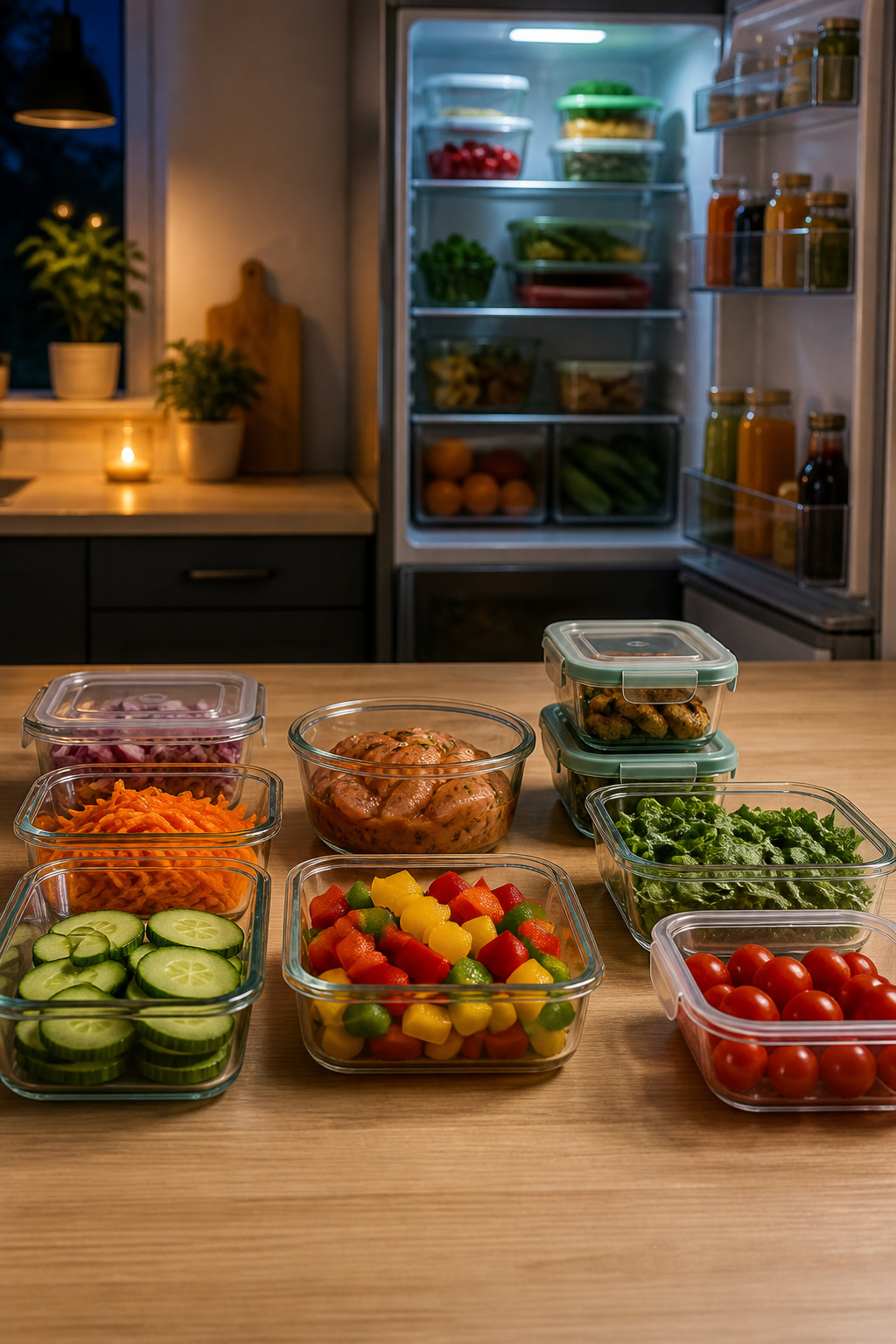
Containers come in various shapes to fit the unique dimensions of refrigerator spaces.
Size and Shape Variety
A fridge is not a uniform box. Between the crisper drawers, the door shelves, and the main cavity with its fixed shelves spaced at odd intervals, you end up with a dozen micro-climates of usable space. Some are tall and narrow, some shallow and wide. Containers that match those zones let you use the real estate instead of fighting it.
This matters most if your fridge came with your rental or your first home and the shelf spacing is fixed. A set with only square, deep containers will leave you staring at a three-inch gap above the yogurt you cannot fill. Buyers with side-by-sides or compact apartment fridges should care more than those with cavernous French doors and adjustable shelving.
You can safely care less here if you already know your fridge’s exact shelf heights and you are buying a la carte rather than a pre-boxed set. Single containers measured to a known gap beat a variety pack of almost-right sizes.
Seal Effectiveness
The seal is where freshness lives or dies. A lid that sits flat but does not lock will let air circulate, and air circulation in a fridge is not gentle; it is a fan-driven draft that dries out cut fruit and transfers onion smell to butter. True airtight seals use silicone gaskets and latching mechanisms that click closed. Watertight is even better; it means soup or marinade stays inside if the container tips.
This should weigh heavily on anyone who preps ingredients ahead, stores leftovers beyond two days, or shares a fridge with a grab-and-go household where containers get jostled. The seal also determines whether you can lay the container on its side in a crowded shelf, which is often the only way to fit it.
If you turn over produce fast and mostly store whole, dry items, a basic press-on lid gets you by. Do not pay for a gasket you will not use.
Material Durability
Glass, BPA-free plastic, and stainless steel each fail differently. Glass chips at the rim or cracks in a drop, but it does not stain or hold odors and it goes from fridge to microwave without drama. Plastic scratches, clouds, and eventually absorbs color from tomato sauce or curry. Stainless steel dents and you cannot see inside, which sounds minor until you are guessing whether the leftover is rice or quinoa.
I spent time reading owner reports on longevity. Glass containers with locking lids frequently outlast their plastic counterparts by years, but the lids themselves are the weak point; the latches snap or the gasket warps before the vessel dies. Plastic sets often get replaced wholesale after eighteen months of daily use because the surface degrades and starts to look permanently foggy.
Buyers who meal prep in bulk and run dishwashers hard should favor thicker glass or at least premium plastic with replacement lids available. If your containers mostly hold dry goods and live on a top shelf, material matters less.
Cleaning Convenience
Every container looks simple in the store. At home, you discover the gasket traps cilantro stems, the lid has a recessed channel that pools oil, and the corner radius is too tight for a sponge. Dishwasher-safe is the baseline, not the finish line; the question is whether the dishwasher actually gets it clean.
Owners consistently flag three trouble spots: silicone gaskets that must be removed and reinstalled, lids with integrated hinges that collect grime in the pivot, and glass containers with heavy rims that shadow the interior from the spray arm. Containers that come apart completely clean faster and dry faster, which matters in humid climates where a damp gasket molds.
Care more about this if you store wet or oily foods regularly. If your containers mostly hold whole vegetables or wrapped cheese, a quick rinse is enough and elaborate disassembly is overkill.
Stackability and Vertical Space
Refrigerators are tall and narrow; floor space is scarce but headroom is usually wasted. Containers with flat, rigid lids that nest securely let you build upward. The opposite, lids that dome or flex, turn one shelf into a single layer of storage.
This matters in standard top-freezer units and any fridge where you are already playing Tetris. It matters less in French door models with wide, deep shelves where containers sit in rows without layering.
The catch owners report: containers marketed as stackable often assume identical sizes. A small container under a large one works; the reverse leaves you with an unstable tower and a bruised avocado.
Cost and Value
Containers span from budget sets that feel disposable to premium lines that cost more per piece than the food inside them. The money question is not price but replacement cycle. Budget plastic used hard needs replacing often; premium glass with replaceable parts amortizes better but requires a bigger outlay upfront.
I read enough owner reports to see the pattern. Buyers who went cheap and replaced annually sometimes spent more over five years than those who bought once. The inverse also appears: people who bought premium sets and never used the specialty sizes, letting them languish in a cabinet.
First-home owners building a kitchen from scratch should think in sets. Renters adding to a partial collection should buy single pieces that solve known gaps.
Customer Feedback
Aggregate ratings smooth out too much to trust alone. What convinced me, reading through a dozen owner reports on each type, was the specificity of the complaint. "Lids warp after six months" is a pattern. "One arrived cracked" is shipping noise. "Too tall for standard shelves" tells you about real use.
Look for feedback from buyers who owned the containers longer than a month, especially those who mention the seal after repeated dishwasher cycles and whether the latches still snap tight. Short-term reviews praise the purchase; long-term reviews reveal the product.
This matters for any significant investment. For a single impulse-buy container to hold lemons, the collective wisdom is less worth the search.
How the Top Picks Compare
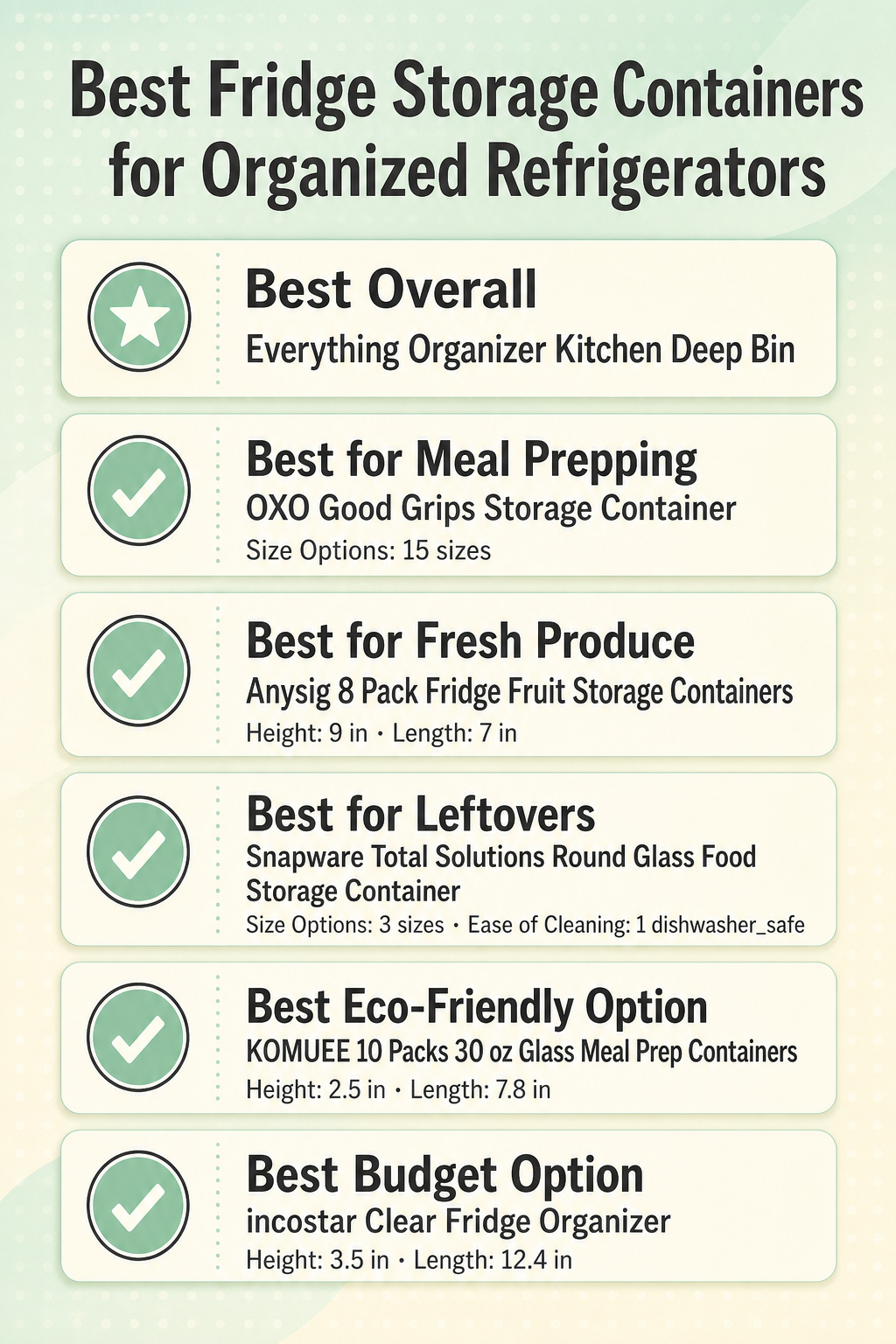
The infographic details product dimensions, showing how size impacts storage efficiency.
The first thing that separates these picks is what problem they are actually solving. The Everything Organizer and the incostar bins both slide into fridge shelves to corral loose items, but the incostar runs 12.4 inches long against the YKIOKE’s 10.5 inches. That extra length buys you one more yogurt row or a full stick of butter with room to spare, though in a compact apartment fridge the overhang starts to fight with the door shelf. The YKIOKE at 3.8 inches wide fits four across on a standard 16-inch shelf; the incostar at 6.2 inches fits two with space left awkward in the middle. I would grab the YKIOKE for a side-by-side freezer and the incostar only if I had a wide French door model with deep shelves to fill.
Glass versus plastic is the other real fork in the road. The Snapware and M MCIRCO both use glass, which means they can move from fridge to microwave to dishwasher without the warping I have seen in plastic lids after six months. The weight difference is not abstract: the M MCIRCO set clocks in at 11.91 lb for ten pieces, so a full stack in a high cabinet is a two-handed lift. The KOMUEE glass at 0.27 lb per container lands closer to plastic territory, but the 30 oz size limits it to lunches and leftovers, not a full Sunday roast. For anyone packing a work bag on one arm while holding coffee in the other, that KOMUEE weight is the difference between a container you actually use and one that stays home.
The Anysig produce containers and the JSCARES 40-piece set both promise to replace the crisper drawer, yet they work opposite ways. Anysig’s 9-inch height is built to stand greens upright like flowers in a vase, which slows the sliming I get when I toss herbs in a bag. The JSCARES at 9.7 inches long but the same 9-inch height spreads wider, better for chopped peppers and onion halves that need a flat bed. Neither fits a whole celery bunch without trimming, so the serious juicer still needs a backup plan.
OXO’s fifteen sizes sound like the ultimate flexible system, and they are, until you try to nest them. The modular lids are the real product; the containers themselves stack only with matching footprints. The Rubbermaid Commercial line inverts that logic: same footprint, heights that double in fixed increments, so a tower of four quarts locks together but never fits a half-quart lid. For a home cook who preps Sunday for the week, OXO wins. For a catering tray that moves from walk-in to van to event, Rubbermaid’s predictable stack is what keeps the soup from sliding.


Frequently Asked Questions
What sizes and shapes fit my fridge?
Measure your shelves first, including the height between each one, before you buy anything. Rectangular containers usually make the best use of shelf depth, while narrow bins work well on door shelves where space is tight. Round containers waste corners but can be easier to clean; I keep those for loose produce like grapes or cherry tomatoes.
Are these containers stackable?
Most sets are designed to stack, though the stability varies. Look for containers with flat lids and some kind of lip or groove that locks the base of the next container into place. Nesting is different from stacking: nesting saves space when empty, but stacking matters when they are full in your fridge.
Do they seal well to prevent spills?
A proper seal depends on the lid style. Snap-lock lids with silicone gaskets tend to hold liquids better than simple press-on lids, though the gasket can trap odors and needs periodic cleaning. For cut fruit or anything juicy, I would not trust anything without a visible locking mechanism on all four sides.
Are they microwave or dishwasher safe?
Many are marketed as both, but the fine print matters. Lids with silicone gaskets often need hand washing to preserve the seal, and some plastics warp in the lower rack of a dishwasher over time. If you plan to reheat in the same container, check that the plastic type is labeled microwave-safe; not all of them are.
What materials are used and are they safe for food storage?
The main options are BPA-free plastic, glass, and stainless steel with plastic lids. Glass is heavier and breaks if you drop it, but it does not stain or hold smells the way plastic can. Stainless steel keeps light out, which helps some produce last longer, though you cannot see inside without opening it.